HSK 6 Syllabus: Topics, Tasks, and Grammar
Formal Chinese, everyday rhythm. HSK 6 adds 1,777 words for public life: infrastructure, investment, disasters, AI. Reading turns formal while conversation stays quick and idiomatic, so you need both. Learn to hedge with 未必, set conditions with 除非 and state a purpose with 以便.
 AnthonyUpdated
 What HSK 6 sounds like
Zhè zuò chéngshì zhèngzài gǎishàn gōnggòng jiāotōng, yǐbiàn jūmín chūxíng gèngjiā fāngbiàn.
这座城市正在改善公共交通,以便居民出行更加方便。
This city is improving public transport to make getting around easier for residents.
Tóuzī dàilái de shōurù wèibì wěndìng, zuò juédìng qián yào liǎojiě fēngxiǎn.
投资带来的收入未必稳定,做决定前要了解风险。
Income from investments may not be stable. Understand the risks before making a decision.
Jiùsuàn shuāngfāng de guāndiǎn bùtóng, yě kěyǐ tōngguò jiāoliú zēngjìn lǐjiě.
就算双方的观点不同,也可以通过交流增进理解。
Even if the two sides have different views, they can deepen their understanding through discussion.
AnthonyUpdated The official syllabus counts 5,400 official cumulative entries through HSK 6. HSKStory’s normalized vocabulary index contains 5,334 distinct items.
5,400
words in total
413
new characters
50
grammar points
68
topics
24
can-do tasks
2-minute readiness check
Do you understand this?
1 / 8听了老人的这段回忆,她不禁流下了眼泪。
HSK 6 grammar points
50 official points. These five are where HSK 6 learners actually get stuck.
- 1
Leave room for uncertainty
Jiàgé gāo de chǎnpǐn wèibì zhìliàng gèng hǎo.
价格高的产品未必质量更好。
A more expensive product is not necessarily of better quality.
Zhè cì shēnqǐng wèibì néng tōngguò, wǒmen hái xūyào zhǔnbèi qítā fāng'àn.
这次申请未必能通过,我们还需要准备其他方案。
This application may not be approved; we still need to prepare other options.
未必未必 means that a claim is not necessarily true. It qualifies your conclusion without asserting the opposite.
Common mistake: Adding a negative after 未必: say 他未必会来 if you think he may not come, not 他未必不会来, which says he may well come.
- 2
State a necessary condition
Chúfēi yǒu chōngfèn de zhèngjù, wǒmen cáinéng déchū zhège jiélùn.
除非有充分的证据,我们才能得出这个结论。
Only with sufficient evidence can we reach this conclusion.
Chúfēi tiānqì hǎozhuǎn, fǒuzé jiùyuánduì wúfǎ jìnrù shānqū.
除非天气好转,否则救援队无法进入山区。
Unless the weather improves, the rescue team will be unable to enter the mountains.
除非……,才…… · 除非……,否则……除非 introduces a requirement. 才 says the result can happen only if that requirement is met; 否则 says what happens if it is not.
Common mistake: Reversing the result after 否则: say 除非提前预约,否则不能进去, not 除非提前预约,否则才能进去.
- 3
Make a rule cover every relevant case
Fánshì shèjí fèiyòng de juédìng, dōu yào xiān gēn fùzérén shāngliang.
凡是涉及费用的决定,都要先跟负责人商量。
Every decision involving costs must first be discussed with the person in charge.
Fánshì zài zhèlǐ gōngzuò de yuángōng, dōu jiēshòu guò xiāofáng péixùn.
凡是在这里工作的员工,都接受过消防培训。
All staff working here have received fire safety training.
凡是……,都……凡是 identifies all the people or things meeting a condition. 都 makes clear that your statement applies to every member of that group.
Common mistake: Using 凡是 for a single identified person: say 凡是报名的学生都要交照片, not 凡是这位学生都要交照片.
- 4
Keep a conclusion despite a hypothetical obstacle
Jiùsuàn zànshí kàn bú dào xiàoguǒ, wǒmen yě yīnggāi jìxù guānchá.
就算暂时看不到效果,我们也应该继续观察。
Even if we cannot see any results yet, we should keep observing.
Jiùsuàn duìfāng jùjué hézuò, wǒmen yě yǒu biéde xuǎnzé.
就算对方拒绝合作,我们也有别的选择。
Even if the other side refuses to cooperate, we have other options.
就算……,也……就算 lets you grant a hypothetical situation without changing the result. It is useful when responding to an objection or setting out your position.
Common mistake: Replacing the concessive 也 with a consequence: say 就算下雨,我们也去, not 就算下雨,我们就去.
- 5
Explain the purpose of an arrangement
Qǐng liúxià liánxì fāngshì, yǐbiàn wǒmen tōngzhī nín miànshì de shíjiān.
请留下联系方式,以便我们通知您面试的时间。
Please leave your contact details so that we can tell you the time of your interview.
Lǎoshī bǎ zīliào fàng zài wǎngshàng, yǐbiàn xuésheng kè hòu fùxí.
老师把资料放在网上,以便学生课后复习。
The teacher put the materials online so that students could revise after class.
……,以便……以便 introduces what an action is intended to make possible or easier. It is common in instructions, notices and formal explanations.
Common mistake: Using 以便 for an accidental result: say 他忘了带伞,结果淋湿了, not 他忘了带伞,以便淋湿了.
What can you do after HSK 6?
The 24 official tasks, each as the tiny conversation it means. Tick the ones you could have yourself.
Report a lost bank card
Nín hǎo, wǒ de yínhángkǎ diū le, néng máfan nín bāng wǒ chǔlǐ yíxià ma?
您好,我的银行卡丢了,能麻烦您帮我处理一下吗?
Hello, I've lost my bank card. Could you help me sort this out?
Kěyǐ, qǐng nín xiān tígōng shēnfènzhèng, wǒmen mǎshàng chǔlǐ.
可以,请您先提供身份证,我们马上处理。
Of course. Please show your identity card first, and we'll deal with it straight away.
Discuss a cooking method
Zhè dào cài wèishénme yào zuìhòu cái fàng yán?
这道菜为什么要最后才放盐?
Why do you add salt to this dish only at the end?
Zhèyàng bǐjiào róngyì kòngzhì wèidao, yě búhuì yīnwèi shuǐfèn jiǎnshǎo ér tài xián.
这样比较容易控制味道,也不会因为水分减少而太咸。
It makes the seasoning easier to control and keeps the dish from becoming too salty as the liquid reduces.
Compare travel choices
Jiàqī qù shān lǐ wán, zuò dàbā háishi zìjǐ kāichē fāngbiàn?
假期去山里玩,坐大巴还是自己开车方便?
For a holiday in the mountains, is it easier to go by coach or to drive yourself?
Wǒ jiànyì zuò dàbā, shānlù bǐjiào zhǎi, zìjǐ kāichē róngyì píláo.
我建议坐大巴,山路比较窄,自己开车容易疲劳。
I'd suggest the coach. The mountain roads are quite narrow, and driving yourself can be tiring.
Ask about treating an injury
Yīshēng, nín kàn wǒ zhège shāngkǒu xūyào zěnme chǔlǐ?
医生,您看我这个伤口需要怎么处理?
Doctor, how should this wound be treated?
Xiān qīngxǐ shāngkǒu, zài jiǎnchá yǒu méiyǒu biéde wèntí.
先清洗伤口,再检查有没有别的问题。
We'll clean the wound first, then check for any other problems.
Suggest a community service
Nín juéde shèqū hái xūyào zēngjiā nǎxiē fúwù?
您觉得社区还需要增加哪些服务?
What additional services do you think the community needs?
Zuìhǎo néng gěi xíngdòng bù fāngbiàn de lǎorén sòng fàn, bāngzhù tāmen jiějué shíjì kùnnan.
最好能给行动不方便的老人送饭,帮助他们解决实际困难。
Ideally, we could deliver meals to older people living alone and help with their practical difficulties.
Plan further study
Lǎoshī, nín juéde wǒ hái xūyào bǔ nǎxiē jīchǔ zhīshi?
老师,您觉得我还需要补哪些基础知识?
What basic knowledge do you think I still need to work on?
Nǐ xiān bǎ tǒngjì fāngfǎ fùxí yíxià, zài kǎolǜ lùnwén de jùtǐ ānpái.
你先把统计方法复习一下,再考虑论文的具体安排。
Revise statistical methods first, then think about the detailed plan for your paper.
0 of 24 ticked · saved on this device
HSK 6 topics
The 68 official topics, each with one sentence you could say about it.
Daily life 日常生活
Service handling
Bànlǐ zhè xiàng yèwù, xūyào xiān zài wǎngshàng tiánxiě shēnqǐngbiǎo.
办理这项业务,需要先在网上填写申请表。
To use this service, you first need to complete an application form online.
Asking for help with difficulties
Yùdào zìjǐ jiějué bù liǎo de kùnnan, kěyǐ xiàng zhuānyè rényuán qiúzhù.
遇到自己解决不了的困难,可以向专业人员求助。
If you encounter a difficulty you cannot resolve yourself, you can ask a professional for help.
Dining experience
Zhè jiā cāntīng bùjǐn cài zuò de hǎo, fúwù yě hěn zhōudào.
这家餐厅不仅菜做得好,服务也很周到。
This restaurant serves good food and provides attentive service too.
Food safety
Gòumǎi shípǐn shí, yào zhùyì bāozhuāng shìfǒu wánzhěng.
购买食品时,要注意包装是否完整。
When buying food, check that the packaging is intact.
Travel experience
Nà cì zuò chuán chūhǎi, wǒ dìyīcì gǎnshòu dào le dàhǎi de lìliang.
那次坐船出海,我第一次感受到了大海的力量。
On that boat trip, I felt the power of the sea for the first time.
Travel guides and strategies
Chūfā qián zuìhǎo chá qīngchu lùshang nǎlǐ kěyǐ jiāyóu.
出发前最好查清楚路上哪里可以加油。
Before setting off, it is best to check where you can buy fuel along the route.
Medical visits
Yīshēng wèn le zhèngzhuàng yǐhòu, jiànyì wǒ zuò jìnyíbù jiǎnchá.
医生问了症状以后,建议我做进一步检查。
After asking about my symptoms, the doctor recommended further tests.
Healthy living
Měitiān ànshí shuìjiào, néng bāngzhù wǒmen bǎochí liánghǎo de jīngshén zhuàngtài.
每天按时睡觉,能帮助我们保持良好的精神状态。
Going to bed at a regular time every day can help us stay alert and feel well.
Living situation
Zhè tào fángzi yángguāng chōngzú, kěxī lí gōngzuò dìdiǎn tài yuǎn.
这套房子阳光充足,可惜离工作地点太远。
This flat gets plenty of natural light, but unfortunately it is too far from work.
Community services
Shèqū ānpái le miǎnfèi de fǎlǜ zīxún, jūmín kěyǐ tíqián yùyuē.
社区安排了免费的法律咨询,居民可以提前预约。
The community has arranged free legal advice, which residents can book in advance.
Community management
Wùyè yīnggāi dìngqī jiǎnchá diàntī, jíshí chǔlǐ ānquán wèntí.
物业应该定期检查电梯,及时处理安全问题。
The property management company should inspect the lifts regularly and address safety problems promptly.
Residents' life
Línjū zhījiān duō yìxiē lǐjiě, shēnghuó jiù huì shǎo yìxiē máodùn.
邻居之间多一些理解,生活就会少一些矛盾。
With more understanding between neighbours, there will be fewer conflicts in daily life.
Education 教育情况
Course situation
Zhè mén xuǎnxiūkè měi zhōu ānpái yí cì xiǎozǔ bàogào.
这门选修课每周安排一次小组报告。
This elective has a group presentation every week.
Teaching situation
Lǎoshī gēnjù xuésheng de fǎnkuì, tiáozhěng le kètáng tǎolùn de fāngshì.
老师根据学生的反馈,调整了课堂讨论的方式。
The teacher adjusted the format of class discussions in response to students' feedback.
Learners
Yǒuxiē xuésheng shànyú dúlì sīkǎo, yǒuxiē gèng xǐhuan xiǎozǔ tǎolùn.
有些学生善于独立思考,有些更喜欢小组讨论。
Some students are good at thinking independently; others prefer group discussions.
Campus activities
Xuésheng men zǔzhī le yí cì juānkuǎn huódòng, bāngzhù shānqū de háizi jìxù shàngxué.
学生们组织了一次捐款活动,帮助山区的孩子继续上学。
Students organised a fundraising event to help children in the mountains continue their education.
School situation
Xuéxiào kuòdà le túshūguǎn de miànjī, wèi xuésheng tígōng gèng duō yuèdú kōngjiān.
学校扩大了图书馆的面积,为学生提供更多阅读空间。
The school has extended the library to give students more space to read.
Education events, ideas, and public issues
Píngjià xuésheng shí, bù yīnggāi bǎ chéngjì dàngzuò wéiyī de biāozhǔn.
评价学生时,不应该把成绩当作唯一的标准。
When assessing students, marks should not be the only criterion.
Work life 职场生活
Work content
Wǒ de zhǔyào zhízé shì fēnxī shùjù, wèi chǎnpǐn kāifā tígōng cānkǎo.
我的主要职责是分析数据,为产品开发提供参考。
My main responsibility is to analyse data to inform product development.
Career positioning
Xuǎnzé zhíyè shí, jì yào liǎojiě zìjǐ de yōushì, yě yào kǎolǜ hángyè de biànhuà.
选择职业时,既要了解自己的优势,也要考虑行业的变化。
When choosing a career, you need to understand your strengths and consider changes in the industry.
Personnel management
Hélǐ fēnpèi rènwu, cáinéng chōngfèn fāhuī měi wèi yuángōng de nénglì.
合理分配任务,才能充分发挥每位员工的能力。
Tasks need to be allocated appropriately to make full use of each employee's abilities.
Enterprise development
Zhè jiā gōngsī kào yí xiàng xīn jìshù dǎkāi le hǎiwài shìchǎng.
这家公司靠一项新技术打开了海外市场。
This company opened up overseas markets with a new technology.
Nature and environment 自然与环境
Geographic regions
Zhōngguó nánběi qìhòu bùtóng, nóngyè shēngchǎn yě yǒu míngxiǎn chāyì.
中国南北气候不同,农业生产也有明显差异。
The climates of northern and southern China differ, and so does their agricultural production.
Terrain and landforms
Yánzhe zhè tiáo hé wǎng shàng zǒu, kěyǐ kàndào liǎng'àn gāodà de shānfēng.
沿着这条河往上走,可以看到两岸高大的山峰。
Walking upstream along this river, you can see tall peaks on both banks.
Natural phenomena
Liánxù jǐ tiān de dàyǔ, shǐ hé lǐ de shuǐwèi xùnsù shàngshēng.
连续几天的大雨,使河里的水位迅速上升。
Several days of heavy rain caused the river level to rise rapidly.
Animals and plants
Měi dào dōngtiān, zhèzhǒng niǎo jiù fēi dào wēnnuǎn de dìfang.
每到冬天,这种鸟就飞到温暖的地方。
This bird flies to a warmer place every year to spend the winter.
Natural resources
Dāngdì jūmín shífēn zhēnxī sēnlín zīyuán, bù suíyì kǎnshù.
当地居民十分珍惜森林资源,不随意砍树。
Local residents value their forest resources and do not cut down trees indiscriminately.
Natural laws
Zhíwù de shēngzhǎng shòudào yángguāng, wēndù hé shuǐfèn de gòngtóng yǐngxiǎng.
植物的生长受到阳光、温度和水分的共同影响。
Plant growth is affected by sunlight, temperature and moisture together.
Disasters
Hóngshuǐ fāshēng hòu, jiùyuán rényuán jíshí zhuǎnyí le bèi kùn de jūmín.
洪水发生后,救援人员及时转移了被困的居民。
After the flood, rescue workers promptly moved the stranded residents to safety.
Energy development
Zhège dìqū tàiyángnéng zīyuán fēngfù, zhèngzài jiànshè dàxíng fādiànzhàn.
这个地区太阳能资源丰富,正在建设大型发电站。
This region has abundant solar resources and is building large power stations.
Environmental protection
Bǎohù huánjìng xūyào chángqī xíngdòng, bùnéng zhǐ tíngliú zài kǒuhào shàng.
保护环境需要长期行动,不能只停留在口号上。
Protecting the environment requires sustained action; slogans alone are not enough.
Infrastructure
Xīn de guǎndào jiànchéng hòu, cūnlǐ de jūmín zhōngyú yòng shàng le gānjìng de zìláishuǐ.
新的管道建成后,村里的居民终于用上了干净的自来水。
After the new pipes were installed, the villagers finally had clean tap water.
Science and technology 科学技术
Everyday technology products
Zhè tái zhìnéng bīngxiāng kěyǐ tíxǐng nǐ nǎxiē shípǐn kuài guòqī le.
这台智能冰箱可以提醒你哪些食品快过期了。
This smart fridge can warn you which foods are about to expire.
Information technology products
Shǐyòng rénliǎnshíbié jìshù shí, yě yào zhùyì bǎohù gèrén xìnxī.
使用人脸识别技术时,也要注意保护个人信息。
When using facial recognition technology, personal information also needs protection.
Popular science knowledge
Shuǐ zài líng dù yǐxià huì jiébīng, wēndù shēnggāo hòu, bīng yòu huì rónghuà.
水在零度以下会结冰,温度升高后,冰又会融化。
Water freezes below zero degrees, and the ice melts again when the temperature rises.
Research results
Zhè xiàng yánjiū shuōmíng, shìdàng de xiūxi néng tígāo zhùyìlì.
这项研究说明,适当的休息能提高注意力。
This study shows that proper rest can improve concentration.
Popular science work
Tā yòng jiǎndān de yǔyán jiěshì kēxué zhīshi, ràng háizimen tīng de dǒng.
她用简单的语言解释科学知识,让孩子们听得懂。
She explains scientific knowledge in simple language that children can understand.
Contemporary society 当代社会
Commercial and trade activities
Zhè cì zhǎnlǎn xīyǐn le bùshǎo qǐyè qiánlái xúnzhǎo hézuò jīhuì.
这次展览吸引了不少企业前来寻找合作机会。
This exhibition attracted many businesses looking for opportunities to cooperate.
Investment and financial management
Búyào zhǐ kàn yùqī shōurù, yě yào liǎojiě tóuzī kěnéng dàilái de sǔnshī.
不要只看预期收入,也要了解投资可能带来的损失。
Do not look only at the expected income; understand the potential losses from an investment too.
Finance and consumption
Měiyuè jìlù zhīchū, yǒuzhùyú fāxiàn nǎxiē xiāofèi kěyǐ jiǎnshǎo.
每月记录支出,有助于发现哪些消费可以减少。
Recording your spending each month helps you identify expenses you can reduce.
Economic development
Lǚyóuyè de fāzhǎn wèi dāngdì chuàngzào le bùshǎo jiùyè jīhuì.
旅游业的发展为当地创造了不少就业机会。
The growth of tourism has created many jobs locally.
People's livelihood development
Zhèngfǔ zēngjiā le duì yǎnglǎo fúwù de tóurù, mǎnzú jūmín de shíjì xūyào.
政府增加了对养老服务的投入,满足居民的实际需要。
The government has increased spending on elderly care services to meet residents' practical needs.
Emerging things
Réngōngzhìnéng kěyǐ bāngzhù chǔlǐ xìnxī, dàn jiéguǒ réng xūyào rén lái pànduàn.
人工智能可以帮助处理信息,但结果仍需要人来判断。
Artificial intelligence can help process information, but people still need to assess the results.
Trends and social climate
Yuèláiyuè duō de rén xuǎnzé lǜsè chūxíng, qí zìxíngchē shàngbān.
越来越多的人选择绿色出行,骑自行车上班。
More and more people are choosing environmentally friendly travel and cycling to work.
Public welfare activities
Zhìyuànzhě dìngqī kànwàng dúzì shēnghuó de lǎorén, péi tāmen liáotiān.
志愿者定期看望独自生活的老人,陪他们聊天。
Volunteers regularly visit older people living alone and keep them company.
News hotspots
Miànduì wǎngshàng de rèdiǎn xīnwén, zuìhǎo xiān quèrèn xiāoxi de láiyuán.
面对网上的热点新闻,最好先确认消息的来源。
When faced with a major news story online, it is best to check the source first.
Artistic forms
Zhè bù xiǎoshuō yòng rìjì de xíngshì xiě yígè gōngrén de yìshēng.
这部小说用日记的形式写一个工人的一生。
This novel tells a worker's life in the form of a diary.
Arts knowledge
Lǐjiě yì fú huà, yǒushí xūyào liǎojiě tā chuàngzuò shí de bèijǐng.
理解一幅画,有时需要了解它创作时的背景。
To understand a painting, you sometimes need to know the background to its creation.
Creators and their works
Zhèwèi zuòjiā shàncháng miáoxiě pǔtōngrén zài kùnnan zhōng de xuǎnzé.
这位作家擅长描写普通人在困难中的选择。
This writer is skilled at portraying the choices ordinary people make in difficult circumstances.
Arts activities
Dúshūhuì shàng, dàjiā fēnxiǎng le zìjǐ duì xiǎoshuō jiéwěi de lǐjiě.
读书会上,大家分享了自己对小说结尾的理解。
At the book group, everyone shared their interpretation of the novel's ending.
Sports events
Huábīng bùjǐn xūyào lìliang, yě xūyào zhǎngwò bǎochí pínghéng de jìqiǎo.
滑冰不仅需要力量,也需要掌握保持平衡的技巧。
Skating requires strength and the skills to maintain your balance.
Sports events and tournaments
Juésài kāishǐ qián, cáipàn zàicì shuōmíng le bǐsài guīzé.
决赛开始前,裁判再次说明了比赛规则。
Before the final began, the referee explained the rules again.
Sports figures and stories
Zhèwèi yùndòngyuán jīnglì guò duōcì shībài, què shǐzhōng méiyǒu fàngqì.
这位运动员经历过多次失败,却始终没有放弃。
This athlete has experienced many failures but has never given up.
International activities
Láizì bùtóng guójiā de dàibiǎo tǎolùn le gòngtóng miànlín de huánjìng wèntí.
来自不同国家的代表讨论了共同面临的环境问题。
Representatives from different countries discussed the environmental problems they face together.
Friendly exchange events
Liǎng suǒ xuéxiào hùxiāng pài xuésheng qù duìfāng xuéxiào xuéxí, tǐyàn bùtóng de xiàoyuán shēnghuó.
两所学校互相派学生去对方学校学习,体验不同的校园生活。
The two schools sent students to each other so they could experience different kinds of campus life.
Culture and tradition 文化与传统
Classical poetry
Shīrén jiè yuèliang biǎodá sīniàn, dúzhě yě huì xiǎngqǐ yuǎnfāng de qīnrén.
诗人借月亮表达思念,读者也会想起远方的亲人。
The poet uses the moon to express longing, reminding readers of loved ones far away.
Idioms, sayings, and dialects
"Wǔyánliùsè" yònglái xíngróng yánsè fēngfù duōyàng.
“五颜六色”用来形容颜色丰富多样。
“Five colours, six hues” describes a rich variety of colours.
Traditional festivals and customs
Yuánxiāojié de wǎnshang, rénmen yìbiān kàn dēnglóng, yìbiān chī yuánxiāo.
元宵节的晚上,人们一边看灯笼,一边吃元宵。
On the evening of the Lantern Festival, people look at the lanterns and eat sweet dumplings.
Folk legends
Zhège mínjiān chuánshuō biǎodá le rénmen duì měihǎo shēnghuó de xiàngwǎng.
这个民间传说表达了人们对美好生活的向往。
This folk legend expresses people's longing for a good life.
Ancient life
Gǔdài de rénmen chángcháng gēnjù jìjié ānpái nóngyè shēngchǎn.
古代的人们常常根据季节安排农业生产。
In ancient times, people often arranged agricultural work according to the seasons.
Historic sites, traditional dwellings, and architecture
Zǒujìn zhè zuò lǎo yuànzi, hái néng kàndào dāngnián rénmen qǔshuǐ, zuòfàn de dìfang.
走进这座老院子,还能看到当年人们取水、做饭的地方。
Step into this old courtyard and you can still see where people drew water and cooked back then.
Philosophical thought
Tǎolùn chuántǒng sīxiǎng shí, yào kǎolǜ tā chǎnshēng de lìshǐ tiáojiàn.
讨论传统思想时,要考虑它产生的历史条件。
When discussing traditional thought, we need to consider the historical conditions in which it arose.
Traditional arts
Zhè bǎ shànzi shàng de tú'àn, xiàngzhēng zhe xìngfú de shēnghuó.
这把扇子上的图案,象征着幸福的生活。
The patterns on this fan symbolise a happy life.
Traditional aesthetic images
Zài chuántǒng huìhuà zhōng, zhúzi chángcháng xiàngzhēng jiānqiáng de jīngshén.
在传统绘画中,竹子常常象征坚强的精神。
In traditional painting, bamboo often symbolises strength of spirit.
Historical figures, objects, and events
Bówùguǎn tōngguò gǔdài de wǎn, pánzi děng shēnghuó yòngpǐn, zhǎnshì le dāngshí rénmen de shēnghuó.
博物馆通过古代的碗、盘子等生活用品,展示了当时人们的生活。
The museum uses ancient bowls and plates to show how people lived at the time.
Dynasty overview
Liǎojiě yígè cháodài, bùnéng zhǐ jìzhu tā kāishǐ hé jiéshù de niánfen.
了解一个朝代,不能只记住它开始和结束的年份。
To understand a dynasty, remembering only the years it began and ended is not enough.
Ancient technological achievements
Gǔdài xiūjiàn de yìxiē dàqiáo, dào jīntiān hái zài shǐyòng.
古代修建的一些大桥,到今天还在使用。
Some bridges built in ancient times are still in use today.
Ancient scientific ideas and scientists' stories
Gǔdài kēxuéjiā tōngguò chángqī guānchá, jīlěi le guānyú rìyuè yùnxíng de zhīshi.
古代科学家通过长期观察,积累了关于日月运行的知识。
Through sustained observation, ancient scientists built up knowledge of the movements of the sun and moon.
The 413 HSK 6 characters
The characters HSK 6 adds, from the official list. Each level adds its own set. Tap one for its pinyin, meaning and the HSK 6 words that use it.
All 1,777 HSK 6 words →
Pinyin, meanings and examples from our stories.
HSK 6 practice test →
Timed questions in the HSK 3.0 format, scored instantly.
Free HSK 6 Anki deck →
Every word with audio, for spaced review.
More HSK 6 stories
Every one has word-level pinyin, narrated audio and tap-to-define.
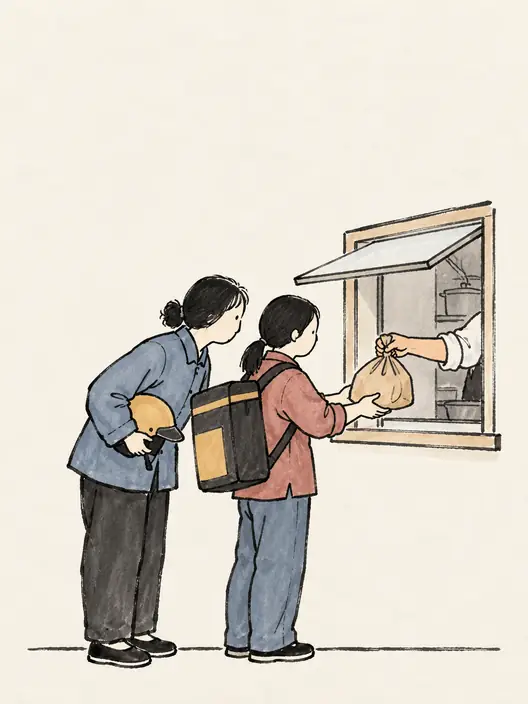 HSK 6
HSK 6The Kitchen Behind the App
Illness complaints lead an inspector to twelve delivery restaurants sharing four kitchens.
6 chapters · audio + pinyin
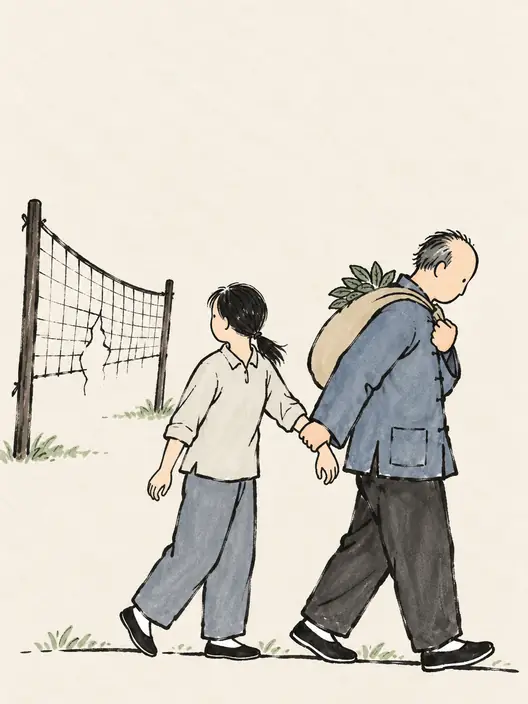 HSK 6
HSK 6The Village Volleyball Team
A former national player recruits seven village girls. A loss goes viral, and backlash follows.
6 chapters · audio + pinyin
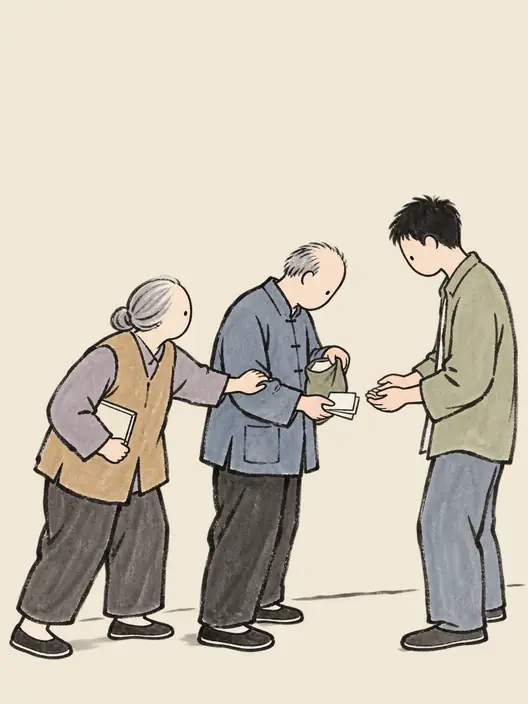 HSK 6
HSK 6The Volunteer in the Waiting Hall
A retired volunteer watches clinic slots vanish as scalpers take advantage of a rural elder.
6 chapters · audio + pinyin
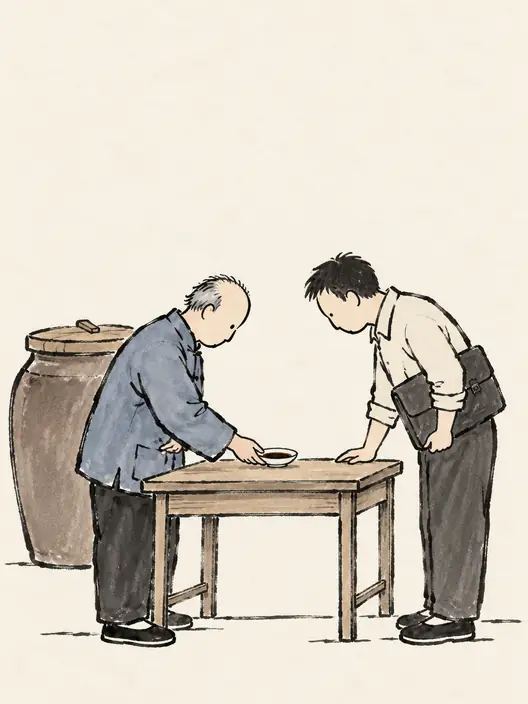 HSK 6
HSK 6The Soy Sauce Workshop
Soaring orders strain a family soy sauce shop as an investor pushes faster fermentation.
6 chapters · audio + pinyin
 HSK 6
HSK 6The Proverb at the Banquet
Translating for Kenyan farmers, a student finds the local proverbs leave them lost.
6 chapters · audio + pinyin
 HSK 6
HSK 6Wind over the Grassland
An engineer pitches a bigger wind farm. Herders report lost birds and damaged grass.
6 chapters · audio + pinyin
Study tips
- Identify public-domain gapsUse the topic hierarchy to identify gaps in public-domain Chinese.
- Read formal themesRead stories with formal, historical, technological, and social themes.
- Parse arguments through grammarTreat advanced grammar as a way to parse arguments, not as isolated exam trivia.
Related syllabus resources
- Free HSK 6 Anki deck
Study the 1,777 new HSK 6 words with audio and graded story examples.
- HSK 6 vocabulary
Browse the 1,777 items added at HSK 6 in HSKStory's normalized index.
- HSK 6 reading practice
Use graded Stories to work with formal Chinese and public topics in context.
- HSK 6 practice test
Try a separate timed reading check based on HSK syllabus topics.
- HSK 7-9 syllabus
Preview the shared advanced topic, task, and grammar band.
Frequently Asked Questions
What does this HSK 6 syllabus guide include?
It covers the topic, task, and grammar scope in the current HSK 3.0 examination syllabus. The Center for Language Education and Cooperation published the syllabus in November 2025, and Chinese Testing International hosts it at chinesetest.cn. This guide is not a sample exam paper or test registration guide.
Why does this page show both 5,400 and 5,334?
The official syllabus contains 5,400 cumulative entries through HSK 6. HSKStory consolidates repeated written forms in its normalized vocabulary index, which contains 5,334 distinct items.
Do regular 2026 HSK 6 exams use HSK 3.0?
CTI has announced the worldwide HSK 3.0 exam launch for 13 December 2026. Check the version and arrangements named in your booking.
How should I use the HSK 6 syllabus?
Start with a topic you do not know well. Check the task section to see what you should be able to discuss, then use the grammar list to find structures to review. The linked pages provide vocabulary, reading practice, and a timed test.
Is there an official HSK 6 syllabus PDF?
Yes. The official HSK 3.0 examination syllabus PDF covers vocabulary, characters, topics, tasks and grammar for all levels. The lists on this page come from that source. Official syllabus PDF