HSK 5 Syllabus: Topics, Tasks, and Grammar
Explain how things work. HSK 5 adds 1,579 words, many about how things work: insurance, hiring, community rules, the economy. You start writing short arguments, so learn the words that steer them: 可见 to draw a conclusion, 一旦 for what happens once something does, 反而 when the result surprises.
 AnthonyUpdated
 What HSK 5 sounds like
Zìcóng gōngsī gǎibiàn le guǎnlǐ fāngshì, yuángōng zhījiān de hézuò jiù gèngjiā mìqiè le.
自从公司改变了管理方式,员工之间的合作就更加密切了。
Since the company changed its management approach, staff have been working more closely together.
Zhè xiàng jìshù búdàn méiyǒu jiàngdī chéngběn, fǎn'ér zēngjiā le wǒmen de gōngzuòliàng.
这项技术不但没有降低成本,反而增加了我们的工作量。
This technology has actually increased our workload rather than reducing costs.
Nǎpà zhǐyǒu yí cì jīhuì, wǒ yě xiǎng qīnzì shì yí shì.
哪怕只有一次机会,我也想亲自试一试。
Even if I only get one chance, I'd like to try it myself.
AnthonyUpdated The official syllabus counts 3,600 official cumulative entries through HSK 5. HSKStory’s normalized vocabulary index contains 3,557 distinct items.
3,600
words in total
431
new characters
68
grammar points
72
topics
28
can-do tasks
2-minute readiness check
Do you understand this?
1 / 8这个小组由五名不同专业的学生组成。
HSK 5 grammar points
68 official points. These five are where HSK 5 learners actually get stuck.
- 1
Draw a conclusion from evidence
Zhè jiā diàn kāimén qián jiù yǒurén páiduì, kějiàn tā hěn shòu huānyíng.
这家店开门前就有人排队,可见它很受欢迎。
People queue before this shop opens, which shows how popular it is.
Yùnshū fèiyòng shàngzhǎng le, yīn'ér shāngpǐn de jiàgé yě tígāo le.
运输费用上涨了,因而商品的价格也提高了。
Transport costs have risen, so the prices of the goods have risen too.
……,可见…… · ……,因而……可见 introduces a conclusion supported by what you have just described. 因而 links a cause to its result and is useful in a written explanation.
Common mistake: Confusing an inference with a guess: say 他每天练习,可见他很重视这次比赛, not 他也许每天练习,可见他很重视这次比赛.
- 2
Explain what follows once something happens
Yídàn qiān le hétong, jiù bùnéng suíbiàn gǎibiàn tiáojiàn.
一旦签了合同,就不能随便改变条件。
Once you've signed the contract, you can't change its terms as you please.
Wànyī cuòguò le mòbānchē, wǒmen jiù dǎchē huíqu.
万一错过了末班车,我们就打车回去。
If we happen to miss the last bus, we'll take a taxi home.
一旦……,就…… · 万一……,(就)……一旦 marks an event that triggers a consequence. 万一 prepares for an unwelcome possibility; it does not say that the event is likely.
Common mistake: Using 一旦 for a repeated routine: say 每天一到学校,我就看书, not 每天一旦到学校,我就看书.
- 3
Describe a change of state
Tīng le yīshēng de jiěshì, wǒ de xīnqíng jiànjiàn píngjìng xiàlai le.
听了医生的解释,我的心情渐渐平静下来了。
After hearing the doctor's explanation, I gradually felt calmer.
Tídào xiǎoshíhou de shì, yéye xiào le qǐlai.
提到小时候的事,爷爷笑了起来。
When we mentioned his childhood, Grandad started laughing.
动词/形容词 + 下来/下去/起来/过来/过去Directional complements can describe a change rather than movement. 下来 can mark becoming calm or slowing down; 起来 can mark the start of a state or activity.
Common mistake: Using 下来 for a continuing action: say 请继续说下去, not 请继续说下来.
- 4
Keep a position despite a difficulty
Nǎpà zànshí méiyǒu shōurù, wǒ yě búhuì fàngqì chuàngyè de jìhuà.
哪怕暂时没有收入,我也不会放弃创业的计划。
Even if I have no income for a while, I won't give up my plan to start a business.
Shíjiān zài jǐn, yě yào zǐxì jiǎnchá měi yígè shùzì.
时间再紧,也要仔细检查每一个数字。
However short of time you are, you still need to check every number carefully.
哪怕……,也…… · 再……,也……哪怕 introduces a circumstance that would not change your position. 再 with an adjective can mean however much, followed by 也 to keep the result unchanged.
Common mistake: Dropping 也 from the second clause: say 这份工作再难,我也要试试, not 这份工作再难,我要试试.
- 5
Show a result that reverses expectations
Huàn le xīn xìtǒng yǐhòu, cāozuò búdàn méiyǒu biàn jiǎndān, fǎn'ér gèng fùzá le.
换了新系统以后,操作不但没有变简单,反而更复杂了。
After we changed to the new system, it became more complicated to use rather than simpler.
Zhè cì shībài búdàn méiyǒu yǐngxiǎng tā de xìnxīn, fǎn'ér ràng tā gèng yǒu juéxīn le.
这次失败不但没有影响他的信心,反而让他更有决心了。
This failure strengthened his determination rather than damaging his confidence.
不但不/不但没有……,反而……The first clause rejects an expected action or result. 反而 then introduces what happened instead, often the opposite of what was intended.
Common mistake: Using 反而 for an ordinary addition: say 她不但会唱歌,还会跳舞, not 她不但会唱歌,反而会跳舞.
What can you do after HSK 5?
The 28 official tasks, each as the tiny conversation it means. Tick the ones you could have yourself.
Ask about insurance conditions
Nín hǎo, wǒ xiǎng liǎojiě zhè fèn bǎoxiǎn, zhùyuàn de fèiyòng dōu bāokuò ma?
您好,我想了解这份保险,住院的费用都包括吗?
Hello, I'd like to ask about this insurance. Does it cover all hospital costs?
Bù yídìng, nín xiān kànkan zhèxiē tiáojiàn, yǒu bù qīngchu de dìfang wǒ zài jiěshì.
不一定,您先看看这些条件,有不清楚的地方我再解释。
Not necessarily. Please read these conditions first, and I'll explain anything that isn't clear.
Discuss a restaurant and dietary preferences
Zhè jiā cāntīng shìhé dài háizi qù ma?
这家餐厅适合带孩子去吗?
Is this restaurant suitable for taking children to?
Shìhé, cài de kǒuwèi bǐjiào dàn, hái kěyǐ ràng tāmen shǎo fàng yán.
适合,菜的口味比较淡,还可以让他们少放盐。
Yes, the food is fairly mild, and you can ask them to use less salt.
Describe a journey and driving conditions
Zhè cì kāichē chūmén, lùshang shùnlì ma?
这次开车出门,路上顺利吗?
Did the drive go smoothly this time?
Gāosù gōnglù shàng yùdào le dàwù, wǒmen jiàngdī le chēsù, wǎn dào le yígè xiǎoshí.
高速公路上遇到了大雾,我们降低了车速,晚到了一个小时。
We ran into thick fog on the motorway, slowed down and arrived an hour late.
Ask for help after a purchase
Nín hǎo, zhè tái xǐyījī chū le wèntí, néng máfan nín ānpái shàngmén xiūlǐ ma?
您好,这台洗衣机出了问题,能麻烦您安排上门修理吗?
Hello, there's a problem with this washing machine. Could you arrange a repair visit?
Kěyǐ, máfan nín tígōng gòumǎi jìlù, wǒmen xiān quèrèn yíxià gòumǎi rìqī.
可以,麻烦您提供购买记录,我们先确认一下购买日期。
Yes. Please provide your purchase record so we can first confirm the date you bought it.
Talk about pressure and mental health
Nǐ zuìjìn zǒngshì shuì bù hǎo, gēn gōngzuò yālì yǒuguān ma?
你最近总是睡不好,跟工作压力有关吗?
Is your poor sleep lately connected to pressure at work?
Kěnéng yǒuguān, wǒ zhǔnbèi zhǎo yīshēng tántán, bù xiǎng yìzhí kào zìjǐ rěn zhe.
可能有关,我准备找医生谈谈,不想一直靠自己忍着。
Possibly. I'm going to talk to a doctor; I don't want to keep putting up with it on my own.
Reflect on a leisure activity
Zhè cì cānjiā shèyǐng huódòng, nǐ yǒu shénme shōuhuò?
这次参加摄影活动,你有什么收获?
What did you gain from this photography activity?
Wǒ kāishǐ zhùyì shēnbiān de xiǎoshì, lián měitiān zǒu de nà tiáo lù dōu juéde bù yíyàng le.
我开始注意身边的小事,连每天走的那条路都觉得不一样了。
I've started noticing the small things around me. Even the road I walk along every day feels different.
0 of 28 ticked · saved on this device
HSK 5 topics
The 72 official topics, each with one sentence you could say about it.
Daily life 日常生活
Service handling
Nín hǎo, wǒ lái bànlǐ hǎiguān shǒuxù, xūyào tígōng nǎxiē cáiliào?
您好,我来办理海关手续,需要提供哪些材料?
Hello, I've come to complete the customs formalities. Which documents do I need to provide?
Asking for help with difficulties
Nín hǎo, wǒ de zhànghù bùnéng yòng le, néng máfan nín bāng wǒ chá yíxià yuányīn ma?
您好,我的账户不能用了,能麻烦您帮我查一下原因吗?
Hello, I can't use my account. Could you help me find out why?
Eating out and meals
Wǒ duì hǎixiān guòmǐn, diǎncài qián yào xiān wèn qīngchu.
我对海鲜过敏,点菜前要先问清楚。
I'm allergic to seafood, so I need to check before ordering.
Dining experience
Yèshì lǐ kěyǐ cháng dào gèzhǒng dāngdì xiǎochī, jiàgé yě hěn hélǐ.
夜市里可以尝到各种当地小吃,价格也很合理。
At the night market, you can try all sorts of local snacks at reasonable prices.
Transportation and logistics
Zhè pī huòwù xiān yòng huǒchē yùn dào hǎibiān de chéngshì, zài yóu chuán sòng dào guówài.
这批货物先用火车运到海边的城市,再由船送到国外。
This consignment goes by train to a coastal city first, then by ship abroad.
Travel experience
Nà cì lǚxíng yùdào bàoyǔ, wǒmen línshí gǎibiàn le xíngchéng.
那次旅行遇到暴雨,我们临时改变了行程。
On that trip, we ran into heavy rain and changed our itinerary at short notice.
Choosing goods
Zhè liǎng zhǒng xiàngjī de gōngnéng chàbuduō, búguò zhèzhǒng zhòngliàng gèng qīng.
这两种相机的功能差不多,不过这种重量更轻。
These two types of camera have similar features, but this one is lighter.
Consumer activities
Cānjiā cùxiāo huódòng zhīqián, zuìhǎo xiān bǐjiào yíxià píngshí de jiàgé.
参加促销活动之前,最好先比较一下平时的价格。
Before taking advantage of a promotion, it's best to compare the usual prices.
Medical visits
Yīshēng, nín hǎo, wǒ de tuǐ shòushāng le, zǒulù de shíhou tèbié téng.
医生,您好,我的腿受伤了,走路的时候特别疼。
Hello, doctor. I've injured my leg, and it hurts particularly when I walk.
Mental health
Xīnqíng bù hǎo de shíhou, wǒ huì zhǎo xìnrèn de péngyou tántán.
心情不好的时候,我会找信任的朋友谈谈。
When I'm feeling low, I talk to a friend I trust.
Healthy living
Wǒ kāishǐ jìlù měitiān de shuìmián shíjiān, kànkan nǎxiē xíguàn huì yǐngxiǎng xiūxi.
我开始记录每天的睡眠时间,看看哪些习惯会影响休息。
I've started recording how long I sleep each day to see which habits affect my rest.
Leisure activities
Zhōumò wǒ xǐhuan zuò shǒugōng, yòng mùtou zhìzuò gèzhǒng xiǎo wánjù.
周末我喜欢做手工,用木头制作各种小玩具。
At weekends I like making things by hand, using wood to make all sorts of small toys.
Activity feelings, life reflections, personal insights
Jīnglì le nà cì yìwài, wǒ gèng zhēnxī gēn jiārén zàiyìqǐ de shíjiān le.
经历了那次意外,我更珍惜跟家人在一起的时间了。
After that accident, I value time with my family more.
Living situation
Zhuāngxiū yǐhòu, kètīng de guāngxiàn bǐ yǐqián hǎoduō le.
装修以后,客厅的光线比以前好多了。
After the renovation, the living room is much brighter.
Community management
Wùyè tíxǐng jūmín, diàndòngchē yào tíng dào tíngchēchǎng, búyào fàng zài lóutī pángbiān.
物业提醒居民,电动车要停到停车场,不要放在楼梯旁边。
The property management team reminds residents to park electric bikes in the car park, not beside the stairs.
Community life
Wǒ dāng le shèqū de zhìyuànzhě, bāng lǎorén zhěnglǐ fángjiān.
我当了社区的志愿者,帮老人整理房间。
I became a community volunteer to help older people tidy their rooms.
Home life
Mǎi jiādiàn shí, wǒmen gèng zhòngshì zhìliàng hé shíjì yòngtú.
买家电时,我们更重视质量和实际用途。
When buying household appliances, we pay more attention to quality and practical use.
Family activities
Jiějie jiéhūn qiányìtiān, qīnpénghǎoyǒu dōu lái bāngmáng zhǔnbèi hūnlǐ.
姐姐结婚前一天,亲朋好友都来帮忙准备婚礼。
The day before my sister's wedding, relatives and friends all came to help with the preparations.
Family issues
Jiārén yìjiàn bù yízhì shí, xiān tīng tīng bǐcǐ de lǐyóu bǐ hùxiāng pīpíng gèng yǒuyòng.
家人意见不一致时,先听听彼此的理由比互相批评更有用。
When family members disagree, listening to each other's reasons is more useful than criticising each other.
Education 教育情况
Course situation
Zhè mén kèchéng bāokuò lǐlùn xuéxí hé shíjì cāozuò liǎng bùfen.
这门课程包括理论学习和实际操作两部分。
This course has two parts: theory and practical work.
Teaching situation
Jiàoshòu yāoqiú wǒmen xiān tíchū wèntí, zài yòng shíyàn xúnzhǎo dá'àn.
教授要求我们先提出问题,再用实验寻找答案。
The professor asks us to pose a question first, then seek an answer through experiments.
Study experience
Wèile zhǔnbèi nà cì yǎnjiǎng, wǒ fǎnfù xiūgǎi le shíjǐ biàn.
为了准备那次演讲,我反复修改了十几遍。
To prepare for that speech, I revised it more than ten times.
Study reflections
Zuò bǐjì bùnéng zhǐ jìlù kèběn shàng de nèiróng, hái yào yòng zìjǐ de yǔyán zhěnglǐ zhòngdiǎn.
做笔记不能只记录课本上的内容,还要用自己的语言整理重点。
Taking notes means organising the main points in your own words as well as recording the textbook's content.
Campus activities
Xuésheng men wèi xuéxiào de shèyǐng zhǎnlǎn shèjì le xuānchuán túpiàn.
学生们为学校的摄影展览设计了宣传图片。
The students designed publicity images for the school's photography exhibition.
School situation
Wǒmen xuéxiào xīnjiàn le shíyànshì, xuésheng yǒu gèng duō jīhuì zuò shíyàn le.
我们学校新建了实验室,学生有更多机会做实验了。
Our school has built a new laboratory, giving students more opportunities to do experiments.
Family education
Fùmǔ zuò shénme, wǎngwǎng bǐ tāmen shuō shénme gèng néng yǐngxiǎng háizi.
父母做什么,往往比他们说什么更能影响孩子。
Parents' behaviour often influences children more than their words do.
School, social, and vocational education
Zhè suǒ xuéxiào gēn gōngchǎng hézuò, ràng xuésheng zài zhēnshí de gōngzuò huánjìng zhōng xuéxí.
这所学校跟工厂合作,让学生在真实的工作环境中学习。
This school works with a factory so students can learn in a real workplace.
Work life 职场生活
Work content
Wǒ fùzé gēn kèhù gōutōng, zài bǎ tāmen de yāoqiú gàosu jìshù bùmén.
我负责跟客户沟通,再把他们的要求告诉技术部门。
I'm responsible for speaking with clients, then passing their requirements to the technical department.
Work experience
Tuìxiū yǐhòu, tā réngrán yuànyì bǎ jīngyàn fēnxiǎng gěi niánqīng tóngshì.
退休以后,他仍然愿意把经验分享给年轻同事。
Since retiring, he's still happy to share his experience with younger colleagues.
Team cooperation
Wǒmen gēnjù gèzì de yōushì fēnpèi rènwu, yùdào wèntí yìqǐ tǎolùn.
我们根据各自的优势分配任务,遇到问题一起讨论。
We divide tasks according to our strengths and discuss problems together.
Personnel management
Xīn yuángōng jiārù yǐhòu, jīnglǐ huì ānpái zhuānmén de péixùn.
新员工加入以后,经理会安排专门的培训。
When new staff join, the manager arranges dedicated training.
Enterprise development
Zhè jiā qǐyè cóng yìjiā xiǎodiàn fāzhǎn qǐlai, xiànzài yǐ yǒu jǐ bǎi míng yuángōng.
这家企业从一家小店发展起来,现在已有几百名员工。
This business grew from a small shop and now has several hundred employees.
Nature and environment 自然与环境
Natural resources
Shuǐ shì yǒuxiàn de zīyuán, gōngchǎng hé jūmín dōu xūyào zhùyì jiéyuē yòng shuǐ.
水是有限的资源,工厂和居民都需要注意节约用水。
Water is a limited resource, so factories and residents alike need to conserve it.
Terrain and landforms
Zhè piàn shāmò de běibiān yǒu shān, nánbian shì yì tiáo hěn cháng de hé.
这片沙漠的北边有山,南边是一条很长的河。
There are mountains to the north of this desert and a long river to the south.
Natural phenomena and laws
Qìwēn xiàjiàng yǐhòu, hú miàn shàng jiànjiàn chūxiàn le bīng.
气温下降以后,湖面上渐渐出现了冰。
As the temperature fell, ice gradually appeared on the lake's surface.
Animals and plants
Chūntiān dào le, gōngyuán lǐ de huādū kāi le, hái néng kàndào hěn duō xiǎoniǎo.
春天到了,公园里的花都开了,还能看到很多小鸟。
Spring has arrived: the flowers in the park are all out, and you can see lots of birds.
Ecological balance
Sēnlín lǐ de dòngwù hé zhíwù bǐcǐ yǐngxiǎng, shǎo le yì zhǒng yě kěnéng gǎibiàn zhěnggè huánjìng.
森林里的动物和植物彼此影响,少了一种也可能改变整个环境。
Forest animals and plants affect each other. The loss of one species can change the whole environment.
Cities and villages
Cūn lǐ tōng le gōngjiāochē, jūmín qù shìqū bǐ yǐqián fāngbiàn duō le.
村里通了公交车,居民去市区比以前方便多了。
The village now has a bus service, making trips to the city much easier for residents.
Environmental protection
Jiǎnshǎo yícìxìng yòngpǐn de shǐyòng, kěyǐ jiàngdī duì huánjìng de yǐngxiǎng.
减少一次性用品的使用,可以降低对环境的影响。
Using fewer disposable products can reduce the impact on the environment.
Science and technology 科学技术
Product introduction and application
Zhèzhǒng ruǎnjiàn néng zìdòng zhěnglǐ zhàopiàn, hái néng gēnjù rìqī cházhǎo.
这种软件能自动整理照片,还能根据日期查找。
This software organises photos automatically and can search by date.
Popular science knowledge
Shuǐ jiārè hòu huì fāshēng shénme biànhuà, kěyǐ tōngguò shíyàn lái guānchá.
水加热后会发生什么变化,可以通过实验来观察。
You can observe what happens to water when it's heated by doing an experiment.
Research results
Yánjiū rényuán fāxiàn, xīn cáiliào néng zài jiào dī de wēndù xià bǎochí wěndìng.
研究人员发现,新材料能在较低的温度下保持稳定。
Researchers found that the new material remains stable at fairly low temperatures.
Contemporary society 当代社会
Administrative divisions
Zhōngguó de yígè shěng lǐ tōngcháng yǒu duō ge shì, shìlǐ yòu fēn bùtóng de qū huò xiàn.
中国的一个省里通常有多个市,市里又分不同的区或县。
A Chinese province usually contains several cities, which are further divided into districts or counties.
Population situation
Zhège chéngshì de rénkǒu búduàn zēngjiā, zhùfáng de xūqiú yě zài shàngshēng.
这个城市的人口不断增加,住房的需求也在上升。
This city's population keeps growing, and demand for housing is rising too.
Features of the times
Rújīn, yuèláiyuè duō de niánqīngrén tōngguò wǎngluò liǎojiě shìjiè.
如今,越来越多的年轻人通过网络了解世界。
Today, more and more young people learn about the world through the internet.
Import and export trade
Zhè jiā gōngsī cóng guówài jìnkǒu jīqì, zài bǎ shēngchǎn de shāngpǐn mài dào hǎiwài.
这家公司从国外进口机器,再把生产的商品卖到海外。
This company imports machinery and then sells the goods it produces overseas.
Business activities
Zhǎnlǎnhuì shàng, qǐyè dàibiǎo xiàng kèhù jièshào le xīn chǎnpǐn de tèdiǎn.
展览会上,企业代表向客户介绍了新产品的特点。
At the exhibition, company representatives explained their new products' features to clients.
Economic development
Xīn de tiělù dàidòng le dāngdì jīngjì de fāzhǎn, yě xīyǐn le gèng duō qǐyè.
新的铁路带动了当地经济的发展,也吸引了更多企业。
The new railway has helped the local economy grow and attracted more businesses.
People's livelihood development
Fùjìn xīn kāi le yīyuàn, jūmín kànbìng búyòng zài qù hěn yuǎn de dìfang.
附近新开了医院,居民看病不用再去很远的地方。
A new hospital has opened nearby, so residents no longer have to travel far for treatment.
Emerging things
Zhíbō ràng gùkè néng zhíjiē xiàng shāngjiā tíwèn, yě gǎibiàn le gòuwù fāngshì.
直播让顾客能直接向商家提问,也改变了购物方式。
Livestreaming lets customers ask sellers questions directly and has changed the way people shop.
Social ideas
Yǒuxiē rén gèng zhòngshì shōurù, yǒuxiē rén gèng zhòngshì gōngzuò de yìyì.
有些人更重视收入,有些人更重视工作的意义。
Some people place greater value on income; others on the meaning of their work.
Infrastructure
Dìtiě tōng dào jiāoqū yǐhòu, zhù zài nàbian de rén shàngbān fāngbiàn le hěn duō.
地铁通到郊区以后,住在那边的人上班方便了很多。
Since the metro reached the suburbs, getting to work has become much easier for people living there.
Artistic forms
Zhè bù huàjù tōngguò yígè jiātíng de gùshi fǎnyìng shèhuì biànhuà.
这部话剧通过一个家庭的故事反映社会变化。
This play reflects social change through the story of a family.
Arts knowledge
Xiǎoshuō lǐ de "wǒ" bù yídìng jiùshì zuòzhě běnrén.
小说里的“我”不一定就是作者本人。
The narrator called “I” in a novel isn't necessarily the author.
Creators and their works
Zhèwèi shīrén xǐhuan yòng pǔtōngrén de shēnghuó lái biǎodá zìjǐ de gǎnqíng.
这位诗人喜欢用普通人的生活来表达自己的感情。
This poet likes to express their feelings through ordinary people's lives.
Arts activities
Dúshūhuì shàng, dàjiā cóng bùtóng de jiǎodù tǎolùn tóngyī běn xiǎoshuō.
读书会上,大家从不同的角度讨论同一本小说。
At the reading group, everyone discusses the same novel from different perspectives.
Sports events
Tiàoyuǎn bùjǐn xūyào sùdù, hái yào zhǎngwò qǐtiào de dòngzuò.
跳远不仅需要速度,还要掌握起跳的动作。
Long jump requires speed as well as mastery of the take-off movement.
Sports events and tournaments
Juésài jiéshù hòu, cáipàn xuānbù le zuìhòu de jiéguǒ.
决赛结束后,裁判宣布了最后的结果。
After the final, the referee announced the result.
Sports figures and stories
Tā dìyīcì cānsài shí méiyǒu huòjiǎng, dàn zhè cì jīnglì ràng tā juédìng jìxù xùnliàn.
她第一次参赛时没有获奖,但这次经历让她决定继续训练。
She didn't win a prize in her first competition, but the experience made her decide to keep training.
Exchange stories, friendly visits, international cooperation
Liǎng guó de xuésheng gòngtóng pāishè le yí bù duǎnpiàn, jièshào gèzì jiāxiāng de shēnghuó.
两国的学生共同拍摄了一部短片,介绍各自家乡的生活。
Students from the two countries made a short film together about life in their home towns.
Culture and tradition 文化与传统
Sayings, idioms, and famous quotations
Rénmen xǐhuan yòng "suāntián kǔ là" lái shuō shēnghuó lǐ de gèzhǒng jīnglì.
人们喜欢用“酸甜苦辣”来说生活里的各种经历。
People like to use “sour, sweet, bitter and spicy” to describe life’s ups and downs.
Language phenomena
Tóngyí ge hànzì zài bùtóng de cí lǐ, yǒushíhou dúyīn yě bùtóng.
同一个汉字在不同的词里,有时候读音也不同。
The same Chinese character sometimes has different pronunciations in different words.
Local foods and regional differences
Nánfāng hé běifāng de yǐnshí gè yǒu tèdiǎn, là bú là bìngbú shì wéiyī de chābié.
南方和北方的饮食各有特点,辣不辣并不是唯一的差别。
Food in the south and north each has its own character; spiciness isn't the only difference.
Traditional festivals and customs
Guònián de shíhou, hěn duō jiātíng dōu bǎochí zhe gěi háizi yāsuìqián de chuántǒng.
过年的时候,很多家庭都保持着给孩子压岁钱的传统。
At Chinese New Year, many families keep up the tradition of giving children money.
Folk legends
Zhège chuánshuō jiǎng de shì yí wèi gūniang zěnyàng bāngzhù cūnlǐ de rén.
这个传说讲的是一位姑娘怎样帮助村里的人。
This legend tells how a young woman helped the people in her village.
Ancient life
Gǔdài de rén méiyǒu diàndēng, wǎnshang dúshū bǐ xiànzài kùnnan de duō.
古代的人没有电灯,晚上读书比现在困难得多。
People in ancient times had no electric lights, making reading at night much harder than it is today.
Historic sites, traditional dwellings, and architecture
Zhèxiē gǔlǎo de fángwū bǎoliú le dāngdì chuántǒng de jiànzhù fēnggé.
这些古老的房屋保留了当地传统的建筑风格。
These old houses preserve the traditional local architectural style.
Philosophical thought
Chuántǒng sīxiǎng zhōng, yǒuxiē guāndiǎn qiángdiào gèrén duì jiātíng hé shèhuì de zérèn.
传统思想中,有些观点强调个人对家庭和社会的责任。
Some ideas in traditional thought emphasise an individual's responsibilities to family and society.
Traditional arts
Zhèwèi yìshùjiā xǐhuan yòng máobǐ huà fēngjǐng, zuòpǐn hěn yǒu Zhōngguó chuántǒng yìshù de tèdiǎn.
这位艺术家喜欢用毛笔画风景,作品很有中国传统艺术的特点。
This artist likes to paint landscapes with a brush, and the work has a distinctly traditional Chinese character.
Historical figures and events
Liǎojiě yígè lìshǐ shìjiàn, bùnéng zhǐ jì rìqī, hái yào fēnxī yuányīn hé jiéguǒ.
了解一个历史事件,不能只记日期,还要分析原因和结果。
Understanding a historical event means analysing its causes and results as well as remembering the date.
Ancient technological achievements
Yìnshuā jìshù de fāzhǎn, ràng yì běn shū kěyǐ yìnshuā hěn duō cè.
印刷技术的发展,让一本书可以印刷很多册。
The development of printing made it possible to print many copies of a book.
Ancient scientific ideas and scientists' stories
Gǔdài de nóngmín tōngguò chángqī guānchá, zǒngjié chū le zhòngzhí de jīngyàn.
古代的农民通过长期观察,总结出了种植的经验。
Through years of observation, ancient farmers developed knowledge about growing crops.
The 431 HSK 5 characters
The characters HSK 5 adds, from the official list. Each level adds its own set. Tap one for its pinyin, meaning and the HSK 5 words that use it.
All 1,579 HSK 5 words →
Pinyin, meanings and examples from our stories.
HSK 5 practice test →
Timed questions in the HSK 3.0 format, scored instantly.
Free HSK 5 Anki deck →
Every word with audio, for spaced review.
More HSK 5 stories
Every one has word-level pinyin, narrated audio and tap-to-define.
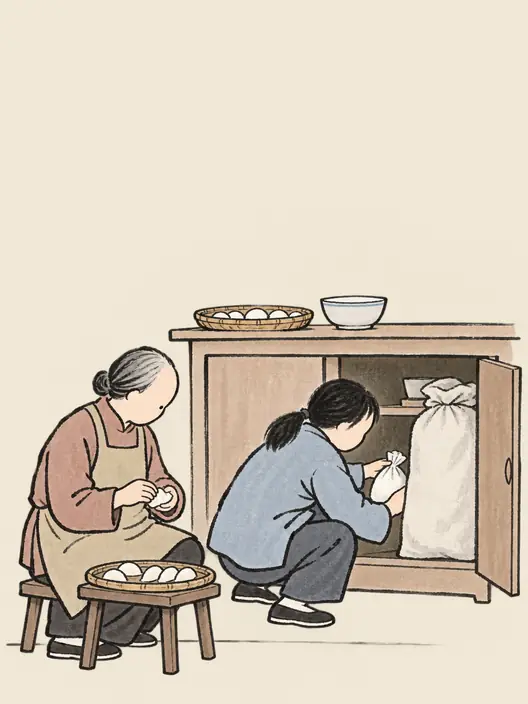 HSK 5
HSK 5Dumplings or Tangyuan
Her first winter solstice as a wife, and her mother-in-law has hidden the tangyuan flour.
6 chapters · audio + pinyin
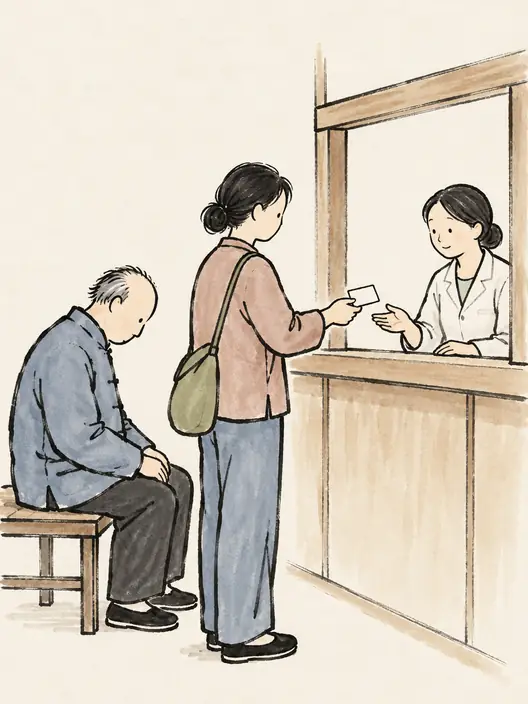 HSK 5
HSK 5Moving Dad's Papers
Her father moves to Guangzhou for care, but an insurance mismatch blocks direct billing.
6 chapters · audio + pinyin
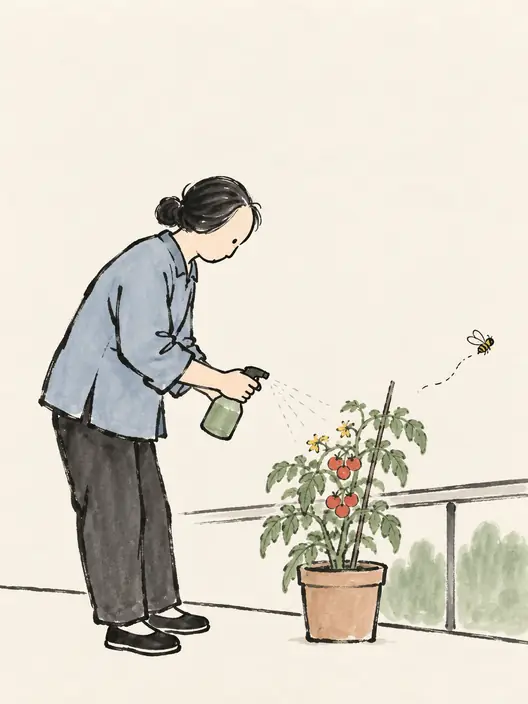 HSK 5
HSK 5Tomatoes on the Fifteenth Floor
Worn out by her marketing job, she grows balcony tomatoes. Then pesticide drives off the bees.
6 chapters · audio + pinyin
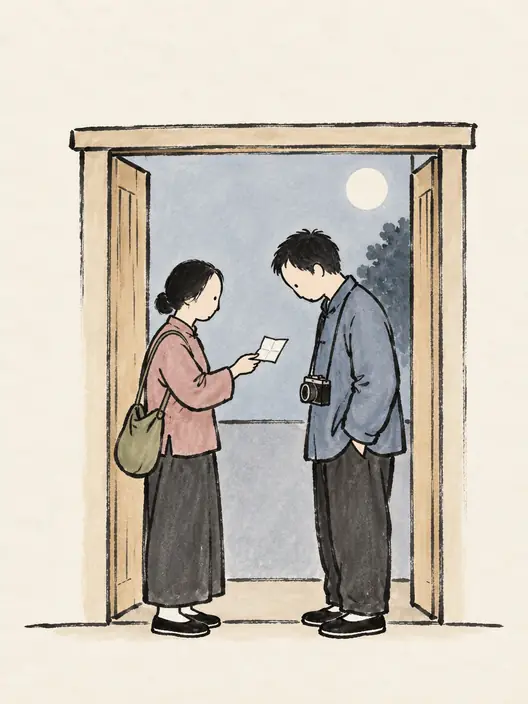 HSK 5
HSK 5Ten Years Later
At her old school's farewell, a divorced woman finally learns who left her an unsigned note.
6 chapters · audio + pinyin
 HSK 5
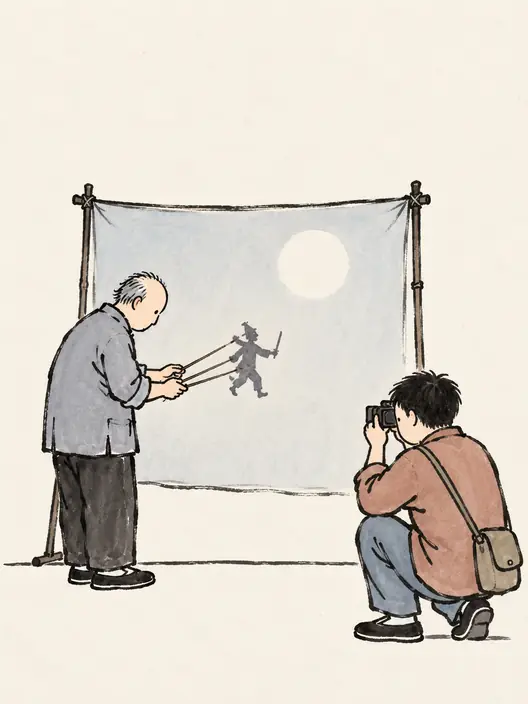
HSK 5The Shadow Puppet Village
In a mountain village, a filmmaker must choose: quick clips, or an old man's full shadow play.
6 chapters · audio + pinyin
 HSK 5
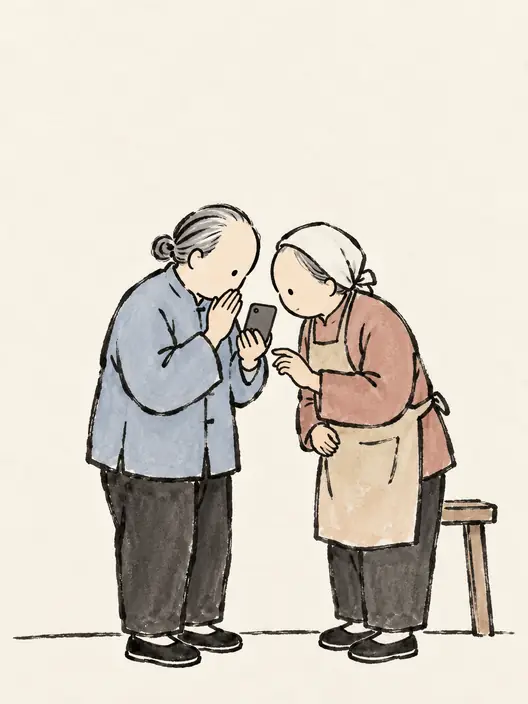
HSK 5Grandma's Dialect
Two students build a dialect translator for hospitals. It only understands two grandmas.
6 chapters · audio + pinyin
Study tips
- Study the consolidation, not just the countHSK 5 has 72 leaf topics, five fewer than HSK 4, because narrower labels are combined into broader categories such as work experience, business management, community life, and economic development. Build examples around the situations inside each category.
- Draft the short composition the task asks forWrite a connected short composition about one concrete brief: an insurance claim, a safety or property rule, job loss or retirement, or an entrepreneurship and hiring decision. Include what happened, the relevant constraint, and your view.
- Move from information to a conclusionSummarize a research finding or economic trend, then use patterns such as 从……来看, 可见, 一旦……就……, and 哪怕……也…… to show evidence, conditions, and conclusions.
Related syllabus resources
- Free HSK 5 Anki deck
Study the 1,579 new HSK 5 words with audio and graded story examples.
- HSK 3.0 syllabus overview
See how the topic, task, grammar, and vocabulary stages fit together across the full syllabus.
- HSK 5 vocabulary
Browse the HSK 5 additions in HSKStory's normalized vocabulary index.
- HSK 5 reading practice
Work through reading exercises and a level-specific practice method.
- HSK 5 Stories
Read multi-chapter fiction shaped for this HSK level.
- HSK 5 practice test
Try a separate timed reading check based on HSK syllabus topics.
- HSK 4 syllabus
Review the previous level's paragraph-writing topic, task, grammar, and vocabulary scope.
- HSK 6 syllabus
Preview the next level's formal and public-language scope.
Frequently Asked Questions
What does this HSK 5 syllabus guide include?
It covers the 72 leaf topics, 28 task areas, and 68 grammar rows in the current HSK 3.0 examination syllabus. The Chinese labels come from the official source, with editorial English translations added here.
Why does this page show both 3,600 and 3,557?
The official syllabus contains 3,600 cumulative entries through HSK 5. HSKStory consolidates repeated written forms in its normalized vocabulary index, which contains 3,557 distinct items.
Do regular 2026 HSK 5 exams use HSK 3.0?
CTI has announced the worldwide HSK 3.0 exam launch for 13 December 2026. Check the version and arrangements named in your booking.
Why does HSK 5 have fewer leaf topics than HSK 4?
The drop from 77 to 72 reflects consolidation and abstraction, not an easier level. HSK 5 combines narrower labels into broader areas, then asks learners to write short compositions about subjects such as mental health, customs clearance and insurance, safety and property rules, job loss and retirement, HR and pay, research findings, and economic trends.
Is there an official HSK 5 syllabus PDF?
Yes. The official HSK 3.0 examination syllabus PDF covers vocabulary, characters, topics, tasks and grammar for all levels. The lists on this page come from that source. Official syllabus PDF