HSK 3 Syllabus: Topics, Tasks, and Grammar
Say what happens to things. HSK 3 adds 493 words and the two constructions learners find hardest: 把, for what you do to something, and 被, for what happens to it. Both put the object where English would not. Practise them until they stop feeling backwards.
 AnthonyUpdated
 What HSK 3 sounds like
Wǒ yǐjīng bǎ yóujiàn fāgěi jīnglǐ le.
我已经把邮件发给经理了。
I've already sent the email to the manager.
Wǒ de zìxíngchē bèi biéren qí zǒu le.
我的自行车被别人骑走了。
Someone rode off on my bicycle.
Zhǐyào měitiān liànxí, nǐ de Zhōngwén jiù huì yuèláiyuè hǎo.
只要每天练习,你的中文就会越来越好。
As long as you practise every day, your Chinese will keep getting better.
AnthonyUpdated The official syllabus counts 1,000 official cumulative entries through HSK 3. HSKStory’s normalized vocabulary index contains 988 distinct items.
1,000
words in total
284
new characters
97
grammar points
54
topics
22
can-do tasks
2-minute readiness check
Do you understand this?
1 / 8请把行李放在这儿。
HSK 3 grammar points
97 official points. These five are where HSK 3 learners actually get stuck.
- 1
Use 把 to say what you do to something
Wǒ bǎ mǎi lái de shuǐguǒ fàngjìn bīngxiāng le.
我把买来的水果放进冰箱了。
I put the fruit I'd bought in the fridge.
Qǐng bǎ zhè běn zìdiǎn huángěi tóngxué.
请把这本字典还给同学。
Please return this dictionary to your classmate.
主语 + 把 + 宾语 + 动词 + ……把 brings a known object before the verb. Follow the verb with what happens to it, such as a new place, a recipient or a result.
Common mistake: Stopping at the verb: use 把门关上, not just 把门关.
- 2
Use 被 when something happens to the subject
Wǒ de dàngāo bèi dìdi chī le.
我的蛋糕被弟弟吃了。
My little brother ate my cake.
Fàng zài ménkǒu de sǎn bèi názǒu le.
放在门口的伞被拿走了。
The umbrella left by the door has been taken away.
主语 + 被 + (动作者)+ 动词 + ……Start with the person or thing affected. You can name who did it after 被, or leave them out when that detail is unknown or unimportant.
Common mistake: Using 被 when nothing bad or unexpected happened: say 作业做完了, not 作业被做完了.
- 3
Separate a result from a possibility
Wǒ zhōngyú zhǎodào hùzhào le.
我终于找到护照了。
I've finally found my passport.
Zhège xiāngzi lǐ de shū tài duō le, wǒ bān bú dòng.
这个箱子里的书太多了,我搬不动。
There are too many books in this box for me to lift it.
动词 + 结果补语 · 动词 + 得/不 + 补语A result complement says what an action achieves. Adding 得 or 不 between the verb and complement says whether that result is possible.
Common mistake: Using 没 and 不 as if they meant the same thing: 没听懂 means you did not understand; 听不懂 means you cannot understand.
- 4
Say whether things are equal or changing
Mèimei gēn wǒ yíyàng gāo le.
妹妹跟我一样高了。
My little sister is now as tall as me.
Zhè běn shū yuè kàn yuè yǒuyìsi.
这本书越看越有意思。
The more I read this book, the more interesting it gets.
A + 跟 + B + 一样 + 形容词 · 越……越……跟……一样 compares things at the same level. 越……越…… links two changes, such as doing more practice and finding something easier.
Common mistake: Adding 比 to an equal comparison: use 跟我一样高, not 比我一样高.
- 5
Tell apart 只要 and 只有
Zhǐyào nǐ yuànyì, wǒ jiù jiāo nǐ dǎ wǎngqiú.
只要你愿意,我就教你打网球。
As long as you're willing, I'll teach you to play tennis.
Zhǐyǒu mǎi le piào, cáinéng jìnqù.
只有买了票,才能进去。
You can only go in if you've bought a ticket.
只要……,就…… · 只有……,才……只要 gives a condition that is enough for a result. 只有 gives a requirement that must be met before the result is possible.
Common mistake: Mixing up the pairs: use 只要 with 就 and 只有 with 才.
What can you do after HSK 3?
The 22 official tasks, each as the tiny conversation it means. Tick the ones you could have yourself.
Describe someone you know
Nǐ jiějie shì zuò shénme gōngzuò de?
你姐姐是做什么工作的?
What does your older sister do for work?
Tā shì yīshēng, píngshí hěn máng.
她是医生,平时很忙。
She's a doctor and is usually very busy.
Ask for help with everyday affairs
Wǒ xiǎng bàn yì zhāng yínhángkǎ, xūyào dài shénme?
我想办一张银行卡,需要带什么?
I'd like to get a bank card. What do I need to bring?
Qǐng dàishàng nín de hùzhào.
请带上您的护照。
Please bring your passport.
Make a suggestion politely
Wǒmen xiān qù chīfàn, ránhòu qù kàn diànyǐng, hǎo ma?
我们先去吃饭,然后去看电影,好吗?
Shall we have a meal first and then go to the cinema?
Hǎo, wǒ yě xiǎng chī yìdiǎnr dōngxi.
好,我也想吃一点儿东西。
Yes, I'd like something to eat too.
Order food and ask about a dish
Zhège cài lǐ yǒu ròu ma?
这个菜里有肉吗?
Is there any meat in this dish?
Méiyǒu, nín kěyǐ fàngxīn chī.
没有,您可以放心吃。
No, you can eat it without worrying.
Discuss a journey
Qù jīchǎng zuò dìtiě fāngbiàn, háishi dǎchē fāngbiàn?
去机场坐地铁方便,还是打车方便?
Is it more convenient to take the metro or a taxi to the airport?
Zuò dìtiě gèng fāngbiàn, yígè xiǎoshí jiù néng dào.
坐地铁更方便,一个小时就能到。
The metro is more convenient. You can get there in just an hour.
Compare goods before buying
Zhè shuāng xié yǒu xiǎo yìdiǎnr de ma?
这双鞋有小一点儿的吗?
Do you have these shoes in a smaller size?
Yǒu, nín shì shì zhè shuāng.
有,您试试这双。
Yes. Try this pair.
0 of 22 ticked · saved on this device
HSK 3 topics
The 54 official topics, each with one sentence you could say about it.
Daily life 日常生活
Personal information
Wǒ jiějie yǐjīng jiéhūn le, xiànzài zhù zài nánfāng.
我姐姐已经结婚了,现在住在南方。
My older sister is married and now lives in the south.
Personal traits
Tā gèzi bù gāo, dànshì hěn ài xiào.
他个子不高,但是很爱笑。
He isn't tall, but he smiles a lot.
Handling affairs
Wǒ bǎ jiè lái de shū huángěi péngyou le.
我把借来的书还给朋友了。
I've returned the book I borrowed to my friend.
Service handling
Bàn hùzhào xūyào duō cháng shíjiān?
办护照需要多长时间?
How long does it take to get a passport?
Polite behavior
Xièxie nǐ bāngmáng, jīntiān wǒ qǐngkè.
谢谢你帮忙,今天我请客。
Thank you for helping. Today it's my treat.
Wishes and feelings
Wǒ juédìng xià xuéqī qù Zhōngguó liúxué.
我决定下学期去中国留学。
I've decided to study in China next term.
Food and drinks
Wǒ mǎi de yǐnliào tài tián le, wǒ háishi hē shuǐ ba.
我买的饮料太甜了,我还是喝水吧。
The drink I bought is too sweet. I'll have water instead.
Eating habits
Wèile shēntǐ jiànkāng, wǒ hěn shǎo chī táng.
为了身体健康,我很少吃糖。
To stay healthy, I rarely eat sweets.
Eating out and meals
Qǐng gěi wǒ kànkan càidān, wǒ xiǎng zài diǎn yígè cài.
请给我看看菜单,我想再点一个菜。
Could I see the menu, please? I'd like to order another dish.
Travel methods
Zuò gāotiě bǐ kāichē kuài liǎng ge xiǎoshí.
坐高铁比开车快两个小时。
Going by high-speed train is two hours faster than driving.
Travel arrangements
Chūfā yǐqián, wǒmen yào xiān chá yíxià tiānqì.
出发以前,我们要先查一下天气。
We need to check the weather before setting off.
Travel experiences
Zhè shì wǒ dìyīcì zuò chuán, juéde hěn yǒuyìsi.
这是我第一次坐船,觉得很有意思。
This is my first boat trip, and I'm finding it very interesting.
Traffic rules
Guò mǎlù de shíhou, yídìng yào kàn hónglǜdēng.
过马路的时候,一定要看红绿灯。
Always check the traffic lights when crossing the road.
Choosing goods
Wǒ xiǎng mǎi yí jiàn néng gēn zhè tiáo qúnzi yìqǐ chuān de shàngyī.
我想买一件能跟这条裙子一起穿的上衣。
I'd like a top that I can wear with this skirt.
Shopping experiences
Wǒ zài wǎngshàng mǎi de kùzi bù héshì, yǐjīng huàn le yì tiáo.
我在网上买的裤子不合适,已经换了一条。
The trousers I bought online didn't fit, so I've exchanged them for another pair.
Illness
Tā zuótiān wǎnshang kāishǐ fāshāo, jīntiān hái méiyǒu hǎo.
他昨天晚上开始发烧,今天还没有好。
He started running a fever last night and still isn't better today.
Medical visits
Yīshēng shuō wǒ gǎnmào le, ràng wǒ duō xiūxi.
医生说我感冒了,让我多休息。
The doctor said I had a cold and told me to get more rest.
Visiting the sick
Wǒmen gěi zhùyuàn de tóngxué dài le yìxiē shuǐguǒ.
我们给住院的同学带了一些水果。
We took some fruit to our classmate in hospital.
Health ideas
Měitiān duànliàn yíhuìr, bǐ yìzhí zuò zhe hǎo.
每天锻炼一会儿,比一直坐着好。
It's healthier to exercise for a while each day than to sit all the time.
Leisure activities
Zhōumò wǒ chángcháng dài xiàngjī chūqù pāizhào.
周末我常常带相机出去拍照。
I often take my camera out to take photos at weekends.
Activity experiences
Dìyīcì páshān de shíhou, wǒ lèihuài le.
第一次爬山的时候,我累坏了。
I was exhausted the first time I went hiking in the hills.
Living situation
Wǒmen zhù zài sān lóu, lóuxià yǒu yìjiā chāoshì.
我们住在三楼,楼下有一家超市。
We live on the third floor, with a supermarket downstairs.
Living habits
Wǒ xíguàn wǎnshang xǐzǎo, zǎoshang chūqù pǎobù.
我习惯晚上洗澡,早上出去跑步。
I usually shower in the evening and go running in the morning.
Family relationships
Jiějie jiéhūn yǐhòu, háishi chángcháng huílai kàn wǒmen.
姐姐结婚以后,还是常常回来看我们。
Even after getting married, my older sister often comes back to see us.
Family affairs
Zhège zhōumò wǒmen jiā bānjiā, yìjiārén dōu yào bāngmáng.
这个周末我们家搬家,一家人都要帮忙。
We're moving house this weekend, and the whole family is helping.
Home life
Bàba zài zuòfàn, wǒ zài bāng tā xǐ cài.
爸爸在做饭,我在帮他洗菜。
Dad is cooking, and I'm helping him wash the vegetables.
Education 教育情况
Course situation
Zhè xuéqī wǒmen yì zhōu yǒu sān jié Zhōngwén kè.
这学期我们一周有三节中文课。
We have three Chinese lessons a week this term.
Study activities
Lǎoshī ràng wǒmen gēn tóngxué yìqǐ liànxí duìhuà.
老师让我们跟同学一起练习对话。
The teacher asked us to practise the dialogue with our classmates.
Study environment
Túshūguǎn hěn ānjìng, wǒ xǐhuan zài nàli fùxí.
图书馆很安静,我喜欢在那里复习。
The library is quiet. I like revising there.
Study experience
Qùnián wǒ zài Zhōngguó xué le bànnián Hànyǔ.
去年我在中国学了半年汉语。
Last year I studied Chinese in China for six months.
Campus activities
Jīntiān xiàwǔ, xuéxiào yǒu lánqiú bǐsài.
今天下午,学校有篮球比赛。
There's a basketball match at school this afternoon.
School situation
Wǒmen xuéxiào yǒu liǎng ge qiúchǎng hé yígè tǐyùguǎn.
我们学校有两个球场和一个体育馆。
Our school has two sports courts and a sports hall.
Family education
Háizi zuò cuò le, yīnggāi xiān tīng tīng tā zěnme shuō.
孩子做错了,应该先听听他怎么说。
When a child does something wrong, you should first listen to what they have to say.
Work life 职场生活
Office affairs
Kāihuì yǐqián, qǐng xiān kàn yíxià wǒ fā de yóujiàn.
开会以前,请先看一下我发的邮件。
Please read the email I sent before the meeting.
Work performance
Tā gōngzuò hěn rènzhēn, jīnglǐ duì tā hěn mǎnyì.
她工作很认真,经理对她很满意。
She takes her work seriously, and her manager is very pleased with her.
Work environment
Bàngōngshì lǐ yǒu kōngtiáo, xiàtiān yě bú rè.
办公室里有空调,夏天也不热。
The office has air conditioning, so it isn't hot even in summer.
Getting along with colleagues
Wǒ gāng lái de shíhou, tóngshì men gěi le wǒ hěn duō bāngzhù.
我刚来的时候,同事们给了我很多帮助。
My colleagues helped me a lot when I first arrived.
Work experience
Wǒ yǐqián zài yínháng gōngzuò, hòulái zuò le lǎoshī.
我以前在银行工作,后来做了老师。
I used to work in a bank, then became a teacher.
Career evaluation
Zuò yīshēng suīrán hěn máng, dànshì néng bāngzhù hěn duō rén.
做医生虽然很忙,但是能帮助很多人。
Being a doctor is busy work, but you can help a lot of people.
Nature and environment 自然与环境
Climate
Zhèr chūntiān fēng dà, qiūtiān zuì shūfu.
这儿春天风大,秋天最舒服。
Spring here is windy, and autumn is the most comfortable season.
Seasons
Chūntiān dào le, gōngyuán lǐ de huādū kāi le.
春天到了,公园里的花都开了。
Spring has arrived, and all the flowers in the park are in bloom.
Animals and plants
Wǒ jiā de māo hěn xǐhuan zài cǎo shàng shuìjiào.
我家的猫很喜欢在草上睡觉。
Our cat loves sleeping on the grass.
Natural scenery
Shānxià yǒu yì tiáo hé, hébiān dōu shì shù.
山下有一条河,河边都是树。
There's a river at the foot of the mountain, with trees all along its banks.
Environmental conditions
Zhè tiáo jiē xiànzài hěn gānjìng, chē yě bǐ yǐqián shǎo le.
这条街现在很干净,车也比以前少了。
This street is clean now, and there's less traffic than there used to be.
Environmental protection
Líkāi fángjiān de shíhou, bié wàng le guān dēng.
离开房间的时候,别忘了关灯。
Don't forget to turn off the lights when leaving the room.
Contemporary society 当代社会
Modern life
Xiànzài yòng shǒujī jiù néng mǎi huǒchēpiào le.
现在用手机就能买火车票了。
You can buy train tickets on your phone now.
Urban development
Wǒ jiā fùjìn xīn kāi le yígè dìtiězhàn.
我家附近新开了一个地铁站。
A new metro station has opened near my home.
Arts activities
Jīntiān wǎnshang de biǎoyǎn qī diǎn kāishǐ, bié chídào.
今天晚上的表演七点开始,别迟到。
Tonight's performance starts at seven. Don't be late.
Sports events
Wǒ gēn tóngshì měi zhōu dǎ liǎng cì yǔmáoqiú.
我跟同事每周打两次羽毛球。
I play badminton with my colleagues twice a week.
Sports competitions
Zúqiú bǐsài jiéshù le, wǒmen bān déle dìyī.
足球比赛结束了,我们班得了第一。
The football match is over, and our class came first.
Culture and tradition 文化与传统
Distinctive foods
Wǒ xǐhuan hē lǜchá, bàba gèng xǐhuan hóngchá.
我喜欢喝绿茶,爸爸更喜欢红茶。
I like green tea, while Dad prefers black tea.
Tableware
Wǒ hái bú tài huì yòng kuàizi, néng gěi wǒ yígè sháozi ma?
我还不太会用筷子,能给我一个勺子吗?
I'm still not very good with chopsticks. Could I have a spoon?
Traditional festivals and customs
Guònián le, háizimen gěi yéye nǎinai dǎdiànhuà.
过年了,孩子们给爷爷奶奶打电话。
The children call their grandparents at Chinese New Year.
Regional differences
Zài Zhōngguó, běifāng de dōngtiān bǐ nánfāng lěng.
在中国,北方的冬天比南方冷。
In China, winters are colder in the north than in the south.
The 284 HSK 3 characters
The characters HSK 3 adds, from the official list. Each level adds its own set. Tap one for its pinyin, meaning and the HSK 3 words that use it.
All 493 HSK 3 words →
Pinyin, meanings and examples from our stories.
HSK 3 practice test →
Timed questions in the HSK 3.0 format, scored instantly.
Free HSK 3 Anki deck →
Every word with audio, for spaced review.
Stories to start with
Every one has word-level pinyin, narrated audio and tap-to-define.
 HSK 3
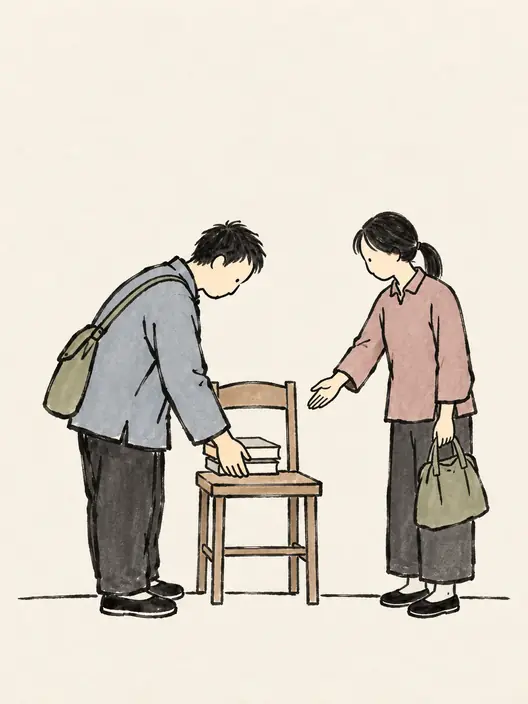
HSK 3No Seat in the Library
She resents a classmate who keeps saving an empty seat. Then she hears about his sick roommate.
6 chapters · audio + pinyin
 HSK 3
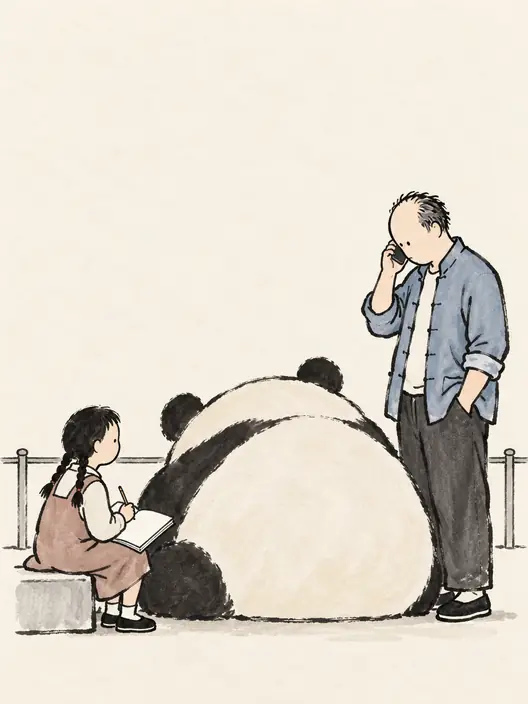
HSK 3Drawing the Panda
She and her overworked dad go to the zoo to draw a panda. The panda stays asleep.
6 chapters · audio + pinyin
 HSK 3
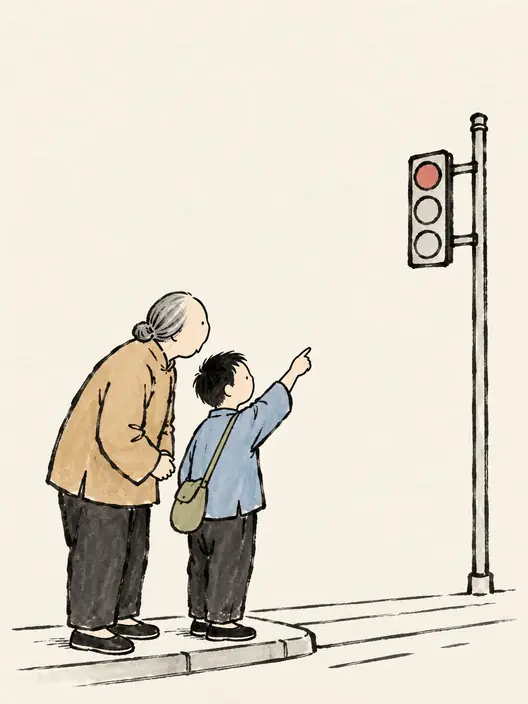
HSK 3Grandma in the Big City
Lost in a city that has changed, Grandma nearly gets hit at a red light. Her grandson helps.
6 chapters · audio + pinyin
 HSK 3
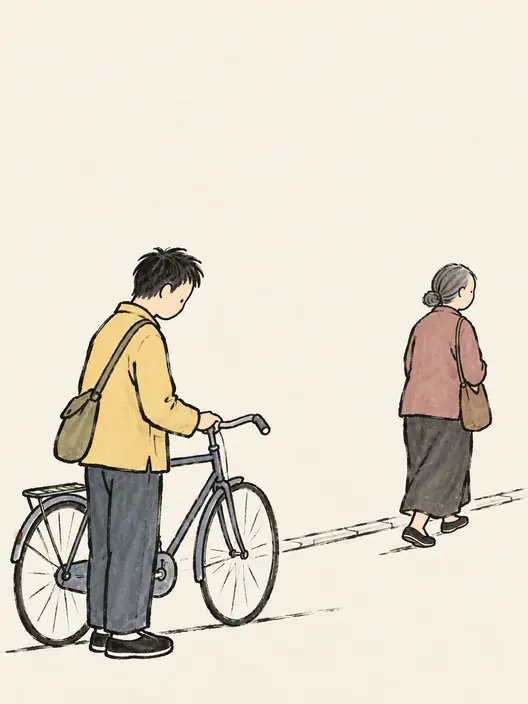
HSK 3Not a Real Job
He quits the bank to deliver food and save for a noodle shop. His parents won't accept it.
6 chapters · audio + pinyin
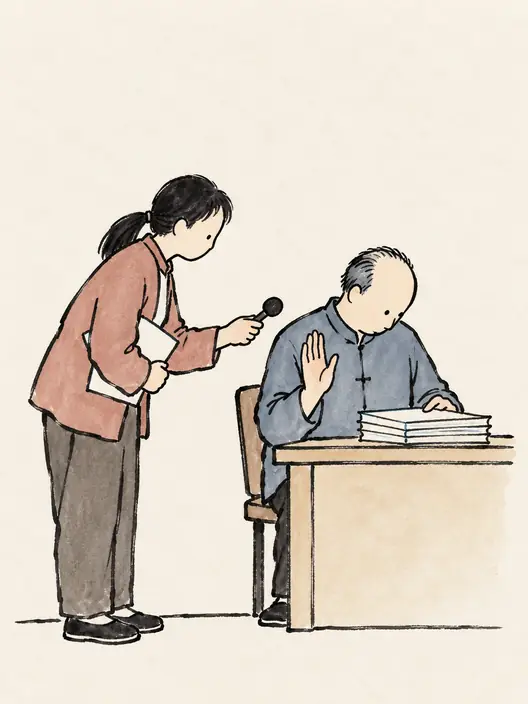 HSK 3
HSK 3The Year-End Show
The new hire has to organize the department's year-end show. Nobody wants to perform.
6 chapters · audio + pinyin
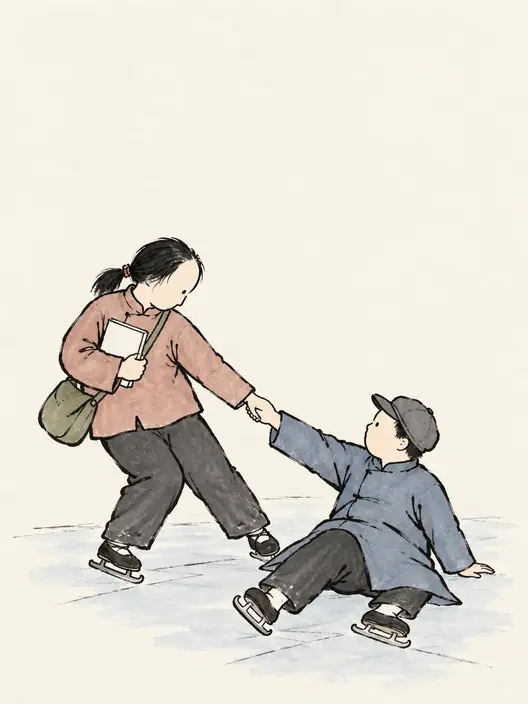 HSK 3
HSK 3First Winter in the North
From the south, she can't follow northern speech or skate. Then her desk mate offers a trade.
6 chapters · audio + pinyin
Study tips
- Turn topics into short explanationsChoose a practical topic such as an administrative errand, office schedule, or travel plan and write one or two sentences about it.
- Practice modern-life tasksRehearse the syllabus situations directly: taking high-speed rail, using mobile payments, handling a service request, or describing a health habit.
- Track the grammar that carries the taskNotice how 把 and 被 sentences, complements, comparisons, and linking forms make short explanations precise.
Related syllabus resources
- Free HSK 3 Anki deck
Study the 493 new HSK 3 words with audio and graded story examples.
- HSK 3.0 syllabus overview
See how the topic, task, grammar, and vocabulary stages fit together across the full syllabus.
- HSK 3 vocabulary
Browse the HSK 3 additions in HSKStory's normalized vocabulary index.
- HSK 3 reading practice
Work through reading exercises and a level-specific practice method.
- HSK 3 Stories
Read multi-chapter fiction shaped for this HSK level.
- HSK 3 practice test
Try a separate timed reading check based on HSK syllabus topics.
- HSK 4 syllabus
Preview the next level's topic, task, grammar, and vocabulary scope.
Frequently Asked Questions
What does this HSK 3 syllabus guide include?
It covers the 54 leaf topics, 22 task areas, and 97 grammar rows in the current HSK 3.0 examination syllabus. The Chinese labels come from the official source, with editorial English translations added here.
Why does this page show both 1,000 and 988?
The official syllabus contains 1,000 cumulative entries through HSK 3. HSKStory consolidates repeated written forms in its normalized vocabulary index, which contains 988 distinct items.
Do regular 2026 HSK 3 exams use HSK 3.0?
CTI has announced the worldwide HSK 3.0 exam launch for 13 December 2026. Check the version and arrangements named in your booking.
What should I practice for the HSK 3 syllabus?
Practice handling basic administration, discussing office routines, describing high-speed rail and mobile-payment experiences, and writing one or two sentences about familiar situations. Use the grammar list to review the patterns those tasks require.
Is there an official HSK 3 syllabus PDF?
Yes. The official HSK 3.0 examination syllabus PDF covers vocabulary, characters, topics, tasks and grammar for all levels. The lists on this page come from that source. Official syllabus PDF