HSK 4 Syllabus: Topics, Tasks, and Grammar
From sentences to paragraphs. HSK 4 doubles your vocabulary to 2,000 words and expects paragraphs, not single sentences. The skill to build is linking ideas: 尽管 for “even though”, 既然 for “since”, 否则 for “otherwise”. Pick one story from your own life and practise telling it in full.
 AnthonyUpdated
 What HSK 4 sounds like
Jǐnguǎn fángzū yǒudiǎnr guì, dànshì zhèlǐ lí gōngsī hěn jìn.
尽管房租有点儿贵,但是这里离公司很近。
Although the rent is a little high, this place is very close to work.
Zhè cì shībài bìng méiyǒu shǐ wǒ fàngqì zìjǐ de mèngxiǎng.
这次失败并没有使我放弃自己的梦想。
This failure hasn't made me give up my dream.
Wúlùn nǐ zuìhòu xuǎnzé nǎge zhuānyè, wǒ dōu zhīchí nǐ.
无论你最后选择哪个专业,我都支持你。
Whatever subject you eventually choose to study, I'll support you.
AnthonyUpdated The official syllabus counts 2,000 official cumulative entries through HSK 4. HSKStory’s normalized vocabulary index contains 1,978 distinct items.
2,000
words in total
441
new characters
88
grammar points
77
topics
30
can-do tasks
2-minute readiness check
Do you understand this?
1 / 8这么多菜,我们俩吃不了。
HSK 4 grammar points
88 official points. These five are where HSK 4 learners actually get stuck.
- 1
Use 了 to say whether an action is possible
Míngtiān wǒ děi jiābān, qù bù liǎo nǐ jiā le.
明天我得加班,去不了你家了。
I have to work overtime tomorrow, so I won't be able to come to your home.
Jīntiān gōngzuò tài duō, yígè rén zuò bù liǎo.
今天工作太多,一个人做不了。
There's too much work today for one person to finish.
动词 + 得/不 + 了After 得 or 不, 了 is a complement about whether you can carry out or finish an action. It does not mark a completed action here, and it is read liǎo, not le.
Common mistake: Confusing inability with a past result: 去不了 means you cannot go; 没去 means you did not go.
- 2
Add more detail after 把
Qǐng bǎ zhè zhāng zhuōzi cā yì cā.
请把这张桌子擦一擦。
Please give this table a wipe.
Wǒ bǎ zhè běn xiǎoshuō kàn le liǎng biàn.
我把这本小说看了两遍。
I've read this novel twice.
主语 + 把 + 宾语 + 动词 + ……HSK 4 extends 把 to repeated verbs, completed actions, duration and manner. Use these forms to explain how you deal with a known object.
Common mistake: Putting 不 after 把: say 不要把书扔了, not 把书不要扔了.
- 3
Link a reason to a conclusion
Jìrán nǐ duì lìshǐ gǎnxìngqù, jiù qù tīng tīng zhèwèi jiàoshòu de kè ba.
既然你对历史感兴趣,就去听听这位教授的课吧。
Since you're interested in history, go along to this professor's class.
Zhè tiáo lù zhèngzài xiū, yīncǐ gōngjiāochē yào cóng lìng yì tiáo lù zǒu.
这条路正在修,因此公交车要从另一条路走。
This road is being repaired, so the bus has to take another road.
既然……,就…… · ……,因此……既然 starts from a fact both speakers accept and leads to a decision or conclusion. 因此 introduces a result and is useful in a written account.
Common mistake: Using 既然 for an uncertain future condition: use 要是 for “if”, and 既然 for “since”.
- 4
Keep a result despite a change in circumstances
Jǐnguǎn zhè cì méiyǒu huòjiǎng, dànshì wǒ rènshi le hěn duō xīn péngyou.
尽管这次没有获奖,但是我认识了很多新朋友。
Although I didn't win a prize this time, I made lots of new friends.
Jíshǐ xiàyǔ, yǎnchū yě huì ànshí kāishǐ.
即使下雨,演出也会按时开始。
Even if it rains, the performance will start on time.
尽管……,但是…… · 即使……,也……尽管 acknowledges a real circumstance before giving a contrasting result. 即使 imagines a circumstance that would not change the result.
Common mistake: Treating both as “although”: 即使 can describe something that has not happened, while 尽管 normally introduces a fact.
- 5
Use a question to make a point
Nándào zhǐyǒu chéngjì hǎo de xuésheng cáinéng cānjiā ma?
难道只有成绩好的学生才能参加吗?
Surely it isn't only students with good marks who can take part?
Zhème jīngcǎi de biǎoyǎn, shéi bù xiǎng kàn ne?
这么精彩的表演,谁不想看呢?
Who wouldn't want to see such a wonderful performance?
难道……吗? · 疑问代词 + ……A rhetorical question expresses a view rather than asking for new information. 难道 often challenges an assumption; words such as 谁 or 怎么 can imply an obvious answer.
Common mistake: Using 难道 in a neutral question: it often sounds surprised or challenging, so leave it out when simply asking for information.
What can you do after HSK 4?
The 30 official tasks, each as the tiny conversation it means. Tick the ones you could have yourself.
Describe a person's character and experience
Nǐ duì xīn lái de tóngshì yìnxiàng zěnmeyàng?
你对新来的同事印象怎么样?
What's your impression of the new colleague?
Tā hěn yǒu nàixīn, yǐqián dāng guò lǎoshī, jiěshì wèntí tèbié qīngchu.
她很有耐心,以前当过老师,解释问题特别清楚。
She's very patient. She used to be a teacher and explains things very clearly.
Ask for help with an everyday problem
Nín hǎo, wǒ de hùzhào diū le, yīnggāi zěnmebàn?
您好,我的护照丢了,应该怎么办?
Hello, I've lost my passport. What should I do?
Qǐng xiān qù zhǎo jǐngchá, zài liánxì nín guójiā de shǐguǎn.
请先去找警察,再联系您国家的使馆。
Please speak to the police first, then contact your country's embassy.
Apologise and explain what happened
Bàoqiàn, wǒ lái wǎn le, ràng nǐ děng le zhème jiǔ.
抱歉,我来晚了,让你等了这么久。
Sorry I'm late and have kept you waiting so long.
Méishì, wǒ yě gāng dào. Lùshang dǔchē le ba?
没事,我也刚到。路上堵车了吧?
It's all right. I've only just arrived too. Was the traffic bad?
Talk about feelings and disappointment
Méiyǒu tōngguò miànshì, nǐ shìbúshì hěn shīwàng?
没有通过面试,你是不是很失望?
Are you very disappointed that you didn't pass the interview?
Shì yǒudiǎnr, búguò zhè cì jīnglì ràng wǒ gèng qīngchu zìjǐ xūyào tígāo shénme.
是有点儿,不过这次经历让我更清楚自己需要提高什么。
A little, yes, but this experience has helped me see more clearly what I need to improve.
Explain how to cook a dish
Zhège tāng zěnme zuò cái hǎohē?
这个汤怎么做才好喝?
How do you make this soup taste good?
Shuǐ kāi le yǐhòu, xiān fàng xīhóngshì, zài fàng jīdàn, zuìhòu jiā yìdiǎnr yán.
水开了以后,先放西红柿,再放鸡蛋,最后加一点儿盐。
Once the water boils, add the tomatoes first, then the egg, and finally a little salt.
Discuss a travel arrangement
Zhōuwǔ xiàbān hòu chūfā, láidejí gǎnshàng nà tàng gāotiě ma?
周五下班后出发,来得及赶上那趟高铁吗?
If we leave after work on Friday, will we have time to catch that high-speed train?
Kǒngpà láibují, háishi dìng wǎn yìdiǎnr de piào ba.
恐怕来不及,还是订晚一点儿的票吧。
I'm afraid we won't. Let's book a later train.
0 of 30 ticked · saved on this device
HSK 4 topics
The 77 official topics, each with one sentence you could say about it.
Daily life 日常生活
Personal information
Wǒ jīnnián dàxué bìyè, zhǔnbèi huí jiāxiāng zhǎo gōngzuò.
我今年大学毕业,准备回家乡找工作。
I graduate from university this year and plan to return to my home town to find work.
Personal traits
Tā xìnggé huópo, gēn bú rènshi de rén yě néng liáo de hěn kāixīn.
她性格活泼,跟不认识的人也能聊得很开心。
She's outgoing and can have a cheerful conversation even with people she doesn't know.
Handling services
Nín hǎo, wǒ xiǎng shēnqǐng xìnyòngkǎ, xūyào tiánxiě nǎxiē biǎogé?
您好,我想申请信用卡,需要填写哪些表格?
Hello, I'd like to apply for a credit card. Which forms do I need to fill in?
Asking for help with difficulties
Shīfu, wǒ de chē zài lùshang huài le, nín néng guòlái kànkan ma?
师傅,我的车在路上坏了,您能过来看看吗?
My car has broken down on the road. Could you come and take a look?
Polite behavior
Dǎrǎo nín le, qǐngwèn zhè fèn cáiliào jiāogěi shéi?
打扰您了,请问这份材料交给谁?
Sorry to trouble you. Who should I give this document to?
Emotions
Tīngdào jiārén yào lái kàn wǒ de xiāoxi, wǒ xīngfèn de yí yè dōu méiyǒu shuì hǎo.
听到家人要来看我的消息,我兴奋得一夜都没有睡好。
When I heard that my family were coming to visit, I was so excited I barely slept all night.
Reflections
Líkāi jiā yǐhòu, wǒ cái zhēnzhèng dǒngde fùmǔ yǒu duō xīnkǔ.
离开家以后,我才真正懂得父母有多辛苦。
It was only after leaving home that I truly understood how hard my parents worked.
Food and drinks
Zhèzhǒng nǎichá tài tián le, xiàcì wǒ huì qǐng tāmen shǎo fàng yìdiǎnr táng.
这种奶茶太甜了,下次我会请他们少放一点儿糖。
This milk tea is too sweet. Next time I'll ask for less sugar.
Dining
Fúwùyuán, nín hǎo, wǒmen chīwán le, máfan nín bāng wǒmen jiézhàng.
服务员,您好,我们吃完了,麻烦您帮我们结账。
Excuse me, we've finished our meal. Could we have the bill, please?
Cooking dishes
Ròu hái méiyǒu shú, xiān bié guān huǒ.
肉还没有熟,先别关火。
The meat isn't cooked yet. Don't turn off the heat.
Travel experiences
Shàngcì chūchāi, wǒ zuò cuò le huǒchē, wǎnshang shí èr diǎn cái dào jiǔdiàn.
上次出差,我坐错了火车,晚上十二点才到酒店。
On my last business trip, I took the wrong train and didn't reach the hotel until midnight.
Transportation
Xīn de gōnglù xiūhǎo yǐhòu, qù jīchǎng zhǐyào bàn ge xiǎoshí.
新的公路修好以后,去机场只要半个小时。
Once the new road is finished, it'll only take half an hour to get to the airport.
Choosing products
Mǎi diànnǎo bùnéng guāng kàn jiàgé, hái děi kǎolǜ zìjǐ xūyào shénme.
买电脑不能光看价格,还得考虑自己需要什么。
When buying a computer, you need to consider what you need as well as the price.
Shopping experience
Wǒ shōudào de wàitào yánsè búduì, diàn lǐ hěn kuài jiù gěi wǒ huàn le.
我收到的外套颜色不对,店里很快就给我换了。
The coat I received was the wrong colour, and the shop exchanged it promptly.
Merchant activities
Zhè jiā chāoshì zhōumò yǒu huódòng, mǎi sān ge miànbāo sòng yígè.
这家超市周末有活动,买三个面包送一个。
This supermarket has a weekend offer: buy three bread rolls and get one free.
Seeking medical care
Yīshēng, nín hǎo, wǒ késou le sān tiān, wǎnshang yóuqí yánzhòng.
医生,您好,我咳嗽了三天,晚上尤其严重。
Hello, doctor. I've had a cough for three days, and it's especially bad at night.
Healthy living
Wǒ měitiān zǒulù shàngbān, jì shěngqián yòu néng duànliàn shēntǐ.
我每天走路上班,既省钱又能锻炼身体。
I walk to work every day. It saves money and gives me exercise.
Leisure activities
Fàngjià de shíhou, wǒ xǐhuan yuē péngyou qù jiāoqū qíchē.
放假的时候,我喜欢约朋友去郊区骑车。
During the holidays, I like arranging bike rides with friends outside the city.
Feelings and opinions about activities
Zhè cì lǚxíng suīrán hěn duǎn, què ràng wǒ wánquán fàngsōng le.
这次旅行虽然很短,却让我完全放松了。
Although this trip was short, it helped me relax completely.
Living situation
Wǒ zhù de fángjiān yǒu hěn dà de chuānghu, báitiān búyòng kāidēng.
我住的房间有很大的窗户,白天不用开灯。
My room has a large window, so I don't need the light on during the day.
Community life
Xiǎoqū lǐ de lǎorén měi zhōu jù zàiyìqǐ chànggē.
小区里的老人每周聚在一起唱歌。
The older people in our neighbourhood get together to sing every week.
Housing rental and purchase
Fángdōng shuō, bānzǒu yǐqián yào tíqián yígè yuè tōngzhī tā.
房东说,搬走以前要提前一个月通知他。
The landlord says we must give him a month's notice before moving out.
Home life
Wǒ bǎ kètīng shōushi hǎo le, děng péngyou lái zuòkè.
我把客厅收拾好了,等朋友来做客。
I've tidied the living room and am waiting for my friends to visit.
Family relationships
Wǒ gēn gēge yǒushíhou yìjiàn bùtóng, dànshì wǒmen dōu rènzhēn tīng duìfāng jiěshì.
我跟哥哥有时候意见不同,但是我们都认真听对方解释。
My older brother and I sometimes disagree, but we both listen carefully to each other's explanations.
Growing-up process
Shàng xiǎoxué yǐhòu, wǒ kāishǐ zìjǐ zuò gōngjiāochē huíjiā.
上小学以后,我开始自己坐公交车回家。
After starting primary school, I began taking the bus home on my own.
Living habits
Wèile bù yǐngxiǎng shuìjiào, wǒ xiàwǔ hěn shǎo hē kāfēi.
为了不影响睡觉,我下午很少喝咖啡。
I rarely drink coffee in the afternoon so that it doesn't affect my sleep.
Family affairs
Bàba guò shēngrì, wǒmen shāngliang hǎo yìqǐ gěi tā zuò dùn fàn.
爸爸过生日,我们商量好一起给他做顿饭。
We've agreed to cook a meal together for Dad's birthday.
Education 教育情况
Course situation
Zhè mén kè chúle kǎoshì, hái yāoqiú wǒmen xiě liǎng piān zuòwén.
这门课除了考试,还要求我们写两篇作文。
As well as an exam, this course requires us to write two essays.
Teaching situation
Lǎoshī xiān ràng wǒmen tǎolùn, zài jiěshì dàjiā bù dǒng de dìfang.
老师先让我们讨论,再解释大家不懂的地方。
The teacher has us discuss things first, then explains the parts we don't understand.
Study experience
Gāng kāishǐ liúxué de shíhou, wǒ lián diǎncài dōu juéde kùnnan.
刚开始留学的时候,我连点菜都觉得困难。
When I first started studying abroad, I found even ordering food difficult.
Study reflections
Bǎ xīn cí yòng zài zìjǐ de gùshi lǐ, bǐ guāng bèi cíyǔ gèng yǒuxiào.
把新词用在自己的故事里,比光背词语更有效。
Using new words in stories of your own is more effective than just memorising them.
Campus activities
Bìyè wǎnhuì shàng, wǒmen bān zhǔnbèi yǎn yì chǎng huàjù.
毕业晚会上,我们班准备演一场话剧。
Our class is going to perform a play at the graduation celebration.
School situation
Xuéxiào de túshūguǎn wǎnshang shí diǎn cái guānmén, zhōumò yě kěyǐ qù.
学校的图书馆晚上十点才关门,周末也可以去。
The school library stays open until ten in the evening and you can go at weekends too.
Family education
Háizi zuò cuò le shì, fùmǔ yīnggāi nàixīn de jiěshì wèishénme búduì.
孩子做错了事,父母应该耐心地解释为什么不对。
When a child makes a mistake, parents should patiently explain why it was wrong.
Social education
Fùjìn de túshūguǎn miǎnfèi jiāo lǎorén yòng shǒujī.
附近的图书馆免费教老人用手机。
The nearby library teaches older people to use mobile phones free of charge.
Work life 职场生活
Office affairs
Wǒ yǐjīng bǎ míngtiān kāihuì yào yòng de wénjiàn dǎyìn hǎo le.
我已经把明天开会要用的文件打印好了。
I've printed the documents we need for tomorrow's meeting.
Work performance
Tā bùjǐn ànshí wánchéng le rènwu, hái tíchū le xīn de jiànyì.
她不仅按时完成了任务,还提出了新的建议。
She finished the task on time and also made a new suggestion.
Workplace interaction
Tóngshì yùdào kùnnan de shíhou, wǒmen dōu yuànyì bāngmáng.
同事遇到困难的时候,我们都愿意帮忙。
When a colleague has a problem, we are all willing to help.
Work experience
Dàxué fàngjià shí, wǒ zài yìjiā fàndiàn dǎgōng, zuò le liǎng ge yuè.
大学放假时,我在一家饭店打工,做了两个月。
During a university holiday, I worked in a restaurant for two months.
Career status and evaluation
Dāng hùshi xūyào nàixīn, yě yào néng jiēshòu wǎnshang shàngbān.
当护士需要耐心,也要能接受晚上上班。
Being a nurse takes patience, and you need to be willing to work nights.
Personnel management
Gōngsī zhèngzài zhāopìn sījī, yǒu jīngyàn de rén kěyǐ lái yìngpìn.
公司正在招聘司机,有经验的人可以来应聘。
The company is recruiting drivers. People with experience can apply.
Work environment and benefits
Xīn gōngsī tígōng wǔcān, dàjiā yě búyòng jīngcháng jiābān.
新公司提供午餐,大家也不用经常加班。
The new company provides lunch, and employees don't have to work overtime often.
Nature and environment 自然与环境
Geography
Dìqiú shàng yǒu hǎiyáng, yě yǒu gāoshān hé sēnlín.
地球上有海洋,也有高山和森林。
The Earth has oceans, high mountains and forests.
Climate
Zhèlǐ xiàtiān rè, dōngtiān lěng, chūntiān hé qiūtiān bǐjiào shūfu.
这里夏天热,冬天冷,春天和秋天比较舒服。
Summers here are hot and winters are cold. Spring and autumn are more comfortable.
Animals and plants
Zhèzhǒng zhíwù bù xūyào tài duō shuǐ, fàng zài shìnèi yě néng zhǎng de hěn hǎo.
这种植物不需要太多水,放在室内也能长得很好。
This plant doesn't need much water and grows well indoors too.
Natural scenery
Zhàn zài shān shàng, kěyǐ kàndào hǎi hé zhěnggè chéngshì.
站在山上,可以看到海和整个城市。
From the mountain, you can see the sea and the whole city.
Natural phenomena
Tūrán guā qǐ le dàfēng, kànlai mǎshàng jiùyào xiàyǔ.
突然刮起了大风,看来马上就要下雨。
A strong wind has suddenly started blowing. It looks as though it's about to rain.
Environmental conditions
Gōngchǎng bānzǒu yǐhòu, fùjìn de kōngqì zhìliàng tígāo le.
工厂搬走以后,附近的空气质量提高了。
The air quality nearby improved after the factory moved away.
Environmental protection
Qǐng bǎ lājī dàizǒu, búyào liú zài cǎodì shàng.
请把垃圾带走,不要留在草地上。
Please take your rubbish away rather than leaving it on the grass.
Science and technology 科学技术
Use of new technology
Wǒ yòng shǒujī jiù néng zhīfù shuǐdiàn fèi, búbì qù yínháng páiduì.
我用手机就能支付水电费,不必去银行排队。
I can pay my water and electricity bills on my phone without queuing at the bank.
Popular science knowledge
Wēndù dīyú líng shèshìdù shí, shuǐ yìbān huì biànchéng bīng.
温度低于零摄氏度时,水一般会变成冰。
Water usually turns to ice when its temperature falls below zero degrees Celsius.
Research results
Zhè xiàng yánjiū fāxiàn, shuìjiào tài shǎo huì yǐngxiǎng xuéxí xiàoguǒ.
这项研究发现,睡觉太少会影响学习效果。
This study found that getting too little sleep affects how well you learn.
Contemporary society 当代社会
Capital and major provinces and cities
Běijīng shì Zhōngguó de shǒudū, yě shì hěn duō yóukè lǚxíng de mùdìdì.
北京是中国的首都,也是很多游客旅行的目的地。
Beijing is China's capital and a travel destination for many visitors.
Ethnic minorities
Zhōngguó yǒu hěn duō shǎoshù mínzú, tāmen de yǔyán hé wénhuà gè yǒu tèdiǎn.
中国有很多少数民族,他们的语言和文化各有特点。
China has many ethnic minorities, each with distinctive languages and cultures.
Popular products
Zhèzhǒng ěrjī zuìjìn hěn liúxíng, niánqīngrén yóuqí xǐhuan.
这种耳机最近很流行,年轻人尤其喜欢。
These headphones are popular at the moment, especially with young people.
New business forms
Zhè jiā diàn tōngguò duǎn shìpín jièshào shāngpǐn, gùkè kàn wán jiù néng zài wǎngshàng gòumǎi.
这家店通过短视频介绍商品,顾客看完就能在网上购买。
This shop introduces its goods through short videos, and customers can buy online after watching.
Economic conditions
Yóukè zēngjiā le, zhèlǐ fàndiàn de shēngyi yě yuèláiyuè hǎo.
游客增加了,这里饭店的生意也越来越好。
Visitor numbers have risen, and local restaurants are doing better and better.
Life values
Wǒ rènwéi shēnghuó bùguāng shì gōngzuò, hái yīnggāi yǒu shíjiān péi jiārén.
我认为生活不光是工作,还应该有时间陪家人。
I think life should include time with family as well as work.
Online life
Wǎngshàng de xìnxī hěn duō, búguò búshi suǒyǒu nèiróng dōu zhíde xiāngxìn.
网上的信息很多,不过不是所有内容都值得相信。
There's a lot of information online, but not all of it is worth believing.
Infrastructure
Zhè zuò qiáo xiūhǎo hòu, hé liǎngbian de rén chūxíng gèng fāngbiàn le.
这座桥修好后,河两边的人出行更方便了。
Once this bridge was finished, it became easier for people to travel between the two sides of the river.
Popular things
Zuìjìn dàjiā dōu zài kàn zhè bù diànshìjù, lián yéye yě xǐhuan.
最近大家都在看这部电视剧,连爷爷也喜欢。
Everyone is watching this television series at the moment. Even Grandpa likes it.
Literary and artistic forms
Huàjù hé diànyǐng bùtóng, yǎnyuán jiù zài guānzhòng miànqián biǎoyǎn.
话剧和电影不同,演员就在观众面前表演。
Theatre differs from film: the actors perform right in front of the audience.
Literary and artistic activities
Wǒmen zhōuliù qù tīng le yì chǎng yīnyuèhuì.
我们周六去听了一场音乐会。
We went to a concert on Saturday.
Creators and their works
Zhèwèi zuòjiā xǐhuan xiě pǔtōngrén de shēnghuó, zuòpǐn hěn gǎnrén.
这位作家喜欢写普通人的生活,作品很感人。
This writer likes writing about ordinary people's lives, and the works are very moving.
Sports events
Dǎ páiqiú shí, duìyuán zhījiān xūyào hùxiāng bāngzhù.
打排球时,队员之间需要互相帮助。
When playing volleyball, the team members need to help one another.
Sports competitions
Bǐsài zuìhòu yì fēnzhōng, wǒmen duì yòu jìn le yígè qiú.
比赛最后一分钟,我们队又进了一个球。
Our team scored another goal in the final minute of the match.
Sports figures and stories
Zhèwèi yùndòngyuán shòushāng yǐhòu méiyǒu fàngqì, shēntǐ hǎo le yǐhòu yòu cānjiā le bǐsài.
这位运动员受伤以后没有放弃,身体好了以后又参加了比赛。
This athlete didn't give up after an injury and returned to competition once they had recovered.
Friendly exchanges
Láizì bùtóng guójiā de xuésheng yìqǐ zuòfàn, jièshào zìjǐ jiāxiāng de měishí.
来自不同国家的学生一起做饭,介绍自己家乡的美食。
Students from different countries cook together and introduce food from their home towns.
Culture and tradition 文化与传统
Common sayings, famous quotes, and similar expressions
"Bǎiwénbùrúyíjiàn" shì shuō, tīng biéren jiǎng hěn duō cì, bùrú zìjǐ qù kàn yí cì.
“百闻不如一见”是说,听别人讲很多次,不如自己去看一次。
“Hearing a hundred times is not as good as seeing once” means that seeing something for yourself is more useful than hearing about it many times.
Traditional food concepts
Guònián shí, yìjiārén jùzàiyìqǐ chīfàn, bǐ chī shénme dōu zhòngyào.
过年时,一家人聚在一起吃饭,比吃什么都重要。
At Chinese New Year, sharing a meal with family matters more than what you eat.
Regional foods, traditional shops, brands, and related topics
Zhè jiā lǎo diàn de miàntiáor hěn yǒumíng, wǒ bàba xiǎoshíhou jiù lái chī guò.
这家老店的面条儿很有名,我爸爸小时候就来吃过。
This long-established shop is famous for its noodles. My dad ate here as a child.
Traditional festivals and customs
Wǒmen yìbiān chī yuèbǐng, yìbiān kàn yuèliang.
我们一边吃月饼,一边看月亮。
We look at the moon while eating mooncakes.
National cultural treasures
Yéye ài kàn jīngjù, hái huì chàng jǐ duàn.
爷爷爱看京剧,还会唱几段。
Grandpa loves watching Beijing opera and can sing a few passages too.
Local traditions
Zài wǒmen lǎojiā, guònián shí línjū huì hùxiāng sòng zìjǐ zuò de cài.
在我们老家,过年时邻居会互相送自己做的菜。
In our home town, neighbours give each other homemade food at Chinese New Year.
Interpersonal etiquette
Qù biéren jiā zuòkè, wǒ huì xiān wèn shénme shíhou fāngbiàn.
去别人家做客,我会先问什么时候方便。
Before visiting someone's home, I ask what time would suit them.
Scenic sites and historical monuments
Chángchéng zhíde cānguān, qù de shíhou zuìhǎo chuān yì shuāng shūfu de xié.
长城值得参观,去的时候最好穿一双舒服的鞋。
The Great Wall is worth visiting. It's best to wear comfortable shoes when you go.
Historical figures and events
Kǒng Zǐ zhòngshì jiàoyù, rènwéi rén yīnggāi búduàn xuéxí.
孔子重视教育,认为人应该不断学习。
Confucius valued education and believed people should keep learning.
The 441 HSK 4 characters
The characters HSK 4 adds, from the official list. Each level adds its own set. Tap one for its pinyin, meaning and the HSK 4 words that use it.
All 990 HSK 4 words →
Pinyin, meanings and examples from our stories.
HSK 4 practice test →
Timed questions in the HSK 3.0 format, scored instantly.
Free HSK 4 Anki deck →
Every word with audio, for spaced review.
More HSK 4 stories
Every one has word-level pinyin, narrated audio and tap-to-define.
 HSK 4
HSK 4Sunrise on Huangshan
Four friends go to see the Huangshan sunrise and get train delays, a storm, and a bad booking.
6 chapters · audio + pinyin
 HSK 4
HSK 4The City Half Marathon
An overworked delivery dad trains for a half marathon with his daughter. Then his knee goes.
6 chapters · audio + pinyin
 HSK 4
HSK 4A Room in Shenzhen
New job in Shenzhen, a broken AC, and a rental agency that ignores its tenants.
6 chapters · audio + pinyin
 HSK 4
HSK 4The Table Tennis Table in the Park
A retired player coaches a hot-tempered boy. Then the boy's mother bans their park games.
6 chapters · audio + pinyin
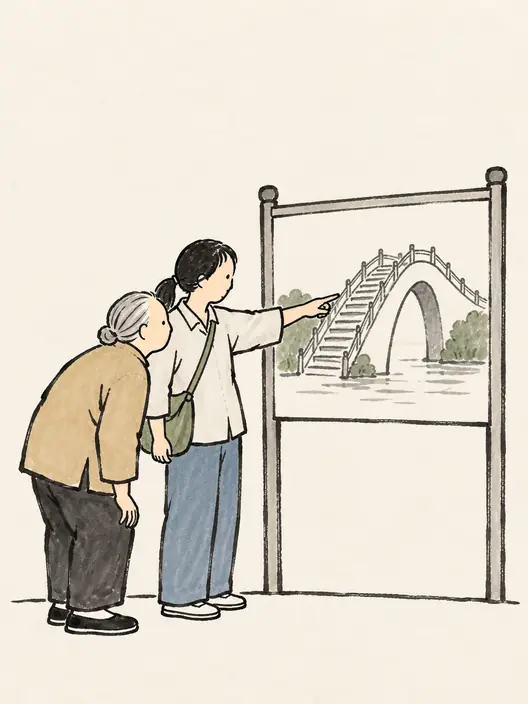 HSK 4
HSK 4The Footbridge
The planned footbridge has stairs too steep for older people, and only an intern notices.
6 chapters · audio + pinyin
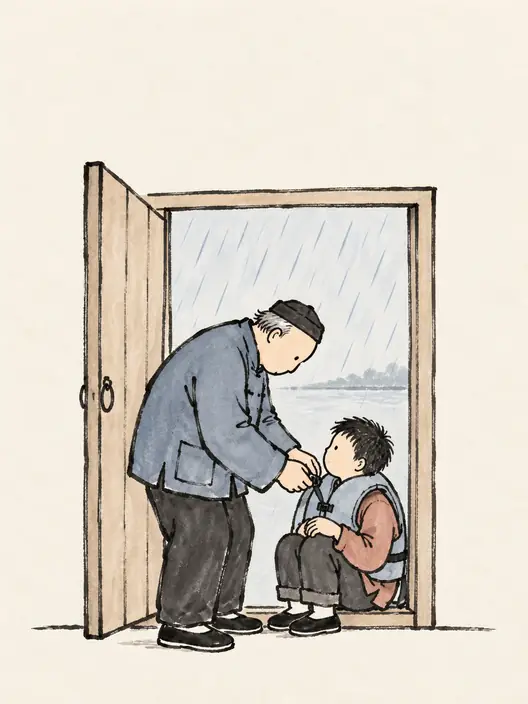 HSK 4
HSK 4The Last Ferry
A bridge will soon replace his ferry. Then a storm hits, and a boy disappears across the river.
6 chapters · audio + pinyin
Study tips
- Turn one task into one paragraphChoose a concrete situation such as requesting legal or police help, explaining a housing problem, or reviewing a service. Write a short paragraph that covers the situation, what happened, and the outcome.
- Practice the new technology and economy scopeRehearse the syllabus examples directly: explain QR payments or drones, then describe a popular product, a new business model, or a short-video shopping experience.
- Use grammar to connect the paragraphReview rhetorical questions, 把 and passive sentences, comparisons, complements, and linked clauses as tools for joining reasons, contrasts, conditions, and opinions.
Related syllabus resources
- Free HSK 4 Anki deck
Study the 990 new HSK 4 words with audio and graded story examples.
- HSK 3.0 syllabus overview
See how the topic, task, grammar, and vocabulary stages fit together across the full syllabus.
- HSK 4 vocabulary
Browse the HSK 4 additions in HSKStory's normalized vocabulary index.
- HSK 4 reading practice
Work through reading exercises and a level-specific practice method.
- HSK 4 Stories
Read multi-chapter fiction shaped for this HSK level.
- HSK 4 practice test
Try a separate timed reading check based on HSK syllabus topics.
- HSK 3 syllabus
Review the previous level's shorter-output topic, task, grammar, and vocabulary scope.
- HSK 5 syllabus
Preview the next level's institutional and analytical scope.
Frequently Asked Questions
What does this HSK 4 syllabus guide include?
It covers the 77 leaf topics, 30 task areas, and 88 grammar rows in the current HSK 3.0 examination syllabus. The Chinese labels come from the official source, with editorial English translations added here.
Why does this page show both 2,000 and 1,978?
The official syllabus contains 2,000 cumulative entries through HSK 4. HSKStory consolidates repeated written forms in its normalized vocabulary index, which contains 1,978 distinct items.
Do regular 2026 HSK 4 exams use HSK 3.0?
CTI has announced the worldwide HSK 3.0 exam launch for 13 December 2026. Check the version and arrangements named in your booking.
What changes from HSK 3 to the HSK 4 syllabus?
HSK 4 adds science and technology as a top-level category and expands contemporary society into economics, social phenomena, regional overview, and exchange. Language and writing appears under culture and tradition. Its tasks include legal or police help, housing, QR payments, drones, and short-video commerce, while written output moves from mostly one or two sentences to paragraphs.
Is there an official HSK 4 syllabus PDF?
Yes. The official HSK 3.0 examination syllabus PDF covers vocabulary, characters, topics, tasks and grammar for all levels. The lists on this page come from that source. Official syllabus PDF