HSK 7-9 Syllabus: Topics, Tasks, and Grammar
Argue like a professional. HSK 7, 8 and 9 share one band and the biggest jump: 5,562 more words for research, business and public debate. The grammar splits between formal written structures and sharp spoken set phrases. Start with three patterns that carry an argument: 与其 for “rather than”, 纵然 for “even if”, 故 for “therefore”.
 AnthonyUpdated
 What HSK 7–9 sounds like
Zhè xiàng yánjiū de jiàzhí búyàyú zǎoqī de fāxiàn, dàn qí jiélùn réng yǒudài yànzhèng.
这项研究的价值不亚于早期的发现,但其结论仍有待验证。
The value of this study is no less than that of the early discoveries, but its conclusions still need to be verified.
Yǔqí jíyú kuòdà shēngchǎn, nìngkě xiān cháqīng zhìliàng wèntí de yuányīn.
与其急于扩大生产,宁可先查清质量问题的原因。
Rather than rush to expand production, we would prefer to establish the cause of the quality problems first.
Huà shì zhème shuō, kě yào ràng jūmín jiēshòu xīn de fāng'àn, hái děi tīng tīng tāmen de yìjiàn.
话是这么说,可要让居民接受新的方案,还得听听他们的意见。
That may be so, but to gain residents' acceptance of the new plan, we still need to hear their views.
AnthonyUpdated The official syllabus counts 11,000 official cumulative entries through HSK 7–9. HSKStory’s normalized vocabulary index contains 10,896 distinct items.
11,000
words in total
1,148
new characters
100
grammar points
92
topics
30
can-do tasks
2-minute readiness check
Do you understand this?
1 / 8这份材料写得半文半白,普通读者未必看得懂。
HSK 7–9 grammar points
100 official points. These five are where HSK 7–9 learners actually get stuck.
- 1
Choose an alternative deliberately
Yǔqí píng yìnxiàng pànduàn, nìngyuàn huā shíjiān héduì yuánshǐ zīliào.
与其凭印象判断,宁愿花时间核对原始资料。
Rather than judge from impressions, I would prefer to spend time checking the original materials.
Yǔqí yǐnmán shīwù, nìngkě zhǔdòng chéngdān zérèn.
与其隐瞒失误,宁可主动承担责任。
Rather than conceal a mistake, I would prefer to take responsibility voluntarily.
与其……,宁愿/宁可……与其 introduces the option you reject. 宁愿 or 宁可 introduces the option you prefer, often despite a cost or inconvenience.
Common mistake: Putting the preferred option first: say 与其敷衍了事,宁可多花时间 if you prefer spending more time, not 与其多花时间,宁可敷衍了事.
- 2
Allow an objection without changing your position
Zòngrán duōshù rén zànchéng, zhè xiàng juédìng yě bìxū fúhé guīdìng.
纵然多数人赞成,这项决定也必须符合规定。
Even if most people agree, this decision must still comply with the rules.
Zòngrán yánjiū jiéguǒ bùrú yùqī, wǒmen yě yīnggāi rúshí gōngbù.
纵然研究结果不如预期,我们也应该如实公布。
Even if the research results fall short of expectations, we should publish them honestly.
纵然/纵使……,也……纵然 and 纵使 mean even if in a formal register. They grant a difficult situation while 也 keeps the main conclusion in place.
Common mistake: Turning a concession into a condition: say 纵然有困难,也要继续 if difficulties do not change your decision, not 纵然有困难,才要继续.
- 3
Include both possible outcomes
Wúlùn xiàngmù chénggōng yǔfǒu, dōu xūyào zǒngjié jīngyàn.
无论项目成功与否,都需要总结经验。
Whether the project succeeds or not, we need to review what we have learnt.
Wúlùn hétong dàoqī yǔfǒu, shuāngfāng dōu yīng tuǒshàn bǎoguǎn xiāngguān wénjiàn.
无论合同到期与否,双方都应妥善保管相关文件。
Whether the contract has expired or not, both parties should keep the relevant documents safely.
无论……与否,都……与否 means or not in written Chinese. With 无论 and 都, the statement covers both the positive and negative possibilities.
Common mistake: Treating both possibilities as a single condition: say 无论参加与否,都请回复, not 如果参加与否,都请回复.
- 4
Link a formal conclusion to its reason
Yīn bùfen shùjù quēshī, gù běn bàogào bú zuò zuìzhōng pànduàn.
因部分数据缺失,故本报告不做最终判断。
As some data is missing, this report makes no final judgement.
Gāi shèbèi yǐ chāoguò shǐyòng qīxiàn, gù xū jíshí gēnghuàn.
该设备已超过使用期限,故需及时更换。
This equipment has exceeded its service life and therefore needs replacing promptly.
(因)……,故……故 means therefore in formal writing. State the reason first, then use 故 to introduce the decision or conclusion that follows.
Common mistake: Reversing cause and effect: say 因道路积水,故车辆绕行, not 因车辆绕行,故道路积水 when flooding causes the diversion.
- 5
Explain a precaution
Wèi ānquán qǐjiàn, shíyàn jiéshù hòu qǐng guānbì diànyuán.
为安全起见,实验结束后请关闭电源。
For safety, please switch off the power after the experiment.
Wèile gōngpíng qǐjiàn, suǒyǒu zuòpǐn dōu jiāoyóu yígè gùdìng de píngwěi xiǎozǔ píngfēn.
为了公平起见,所有作品都交由一个固定的评委小组评分。
To ensure fairness, all entries will be scored by one fixed panel of judges.
为(了)……起见,……为……起见 explains the consideration behind a precaution or arrangement. Common combinations include 为安全起见 and 为慎重起见.
Common mistake: Using a completed action as the consideration: say 为安全起见,请佩戴头盔, not 为戴了头盔起见,请注意安全.
What can you do after HSK 7–9?
The 30 official tasks, each as the tiny conversation it means. Tick the ones you could have yourself.
Explain a change in your priorities
Gōngzuò jǐ nián yǐhòu, nǐ duì chénggōng de lǐjiě yǒu shénme biànhuà?
工作几年以后,你对成功的理解有什么变化?
How has your understanding of success changed after several years of work?
Yǐqián wǒ zhǐ kàn shōurù, xiànzài gèng zhòngshì néngfǒu chíxù xuéxí, yǐjí yǒu méiyǒu shíjiān péibàn jiārén.
以前我只看收入,现在更重视能否持续学习,以及有没有时间陪伴家人。
I used to focus only on income. Now I care more about whether I can keep learning and have time for my family.
Discuss caring responsibilities
Rúguǒ fùmǔ yǐhòu xūyào zhàogu, jiālǐ zhǔnbèi zěnme fēndān?
如果父母以后需要照顾,家里准备怎么分担?
If your parents need care in future, how will your family share the responsibility?
Wǒmen dǎsuàn xiān tīng fùmǔ de yìyuàn, zài gēnjù gèzì de shíjiān hé jīngjì tiáojiàn shāngliang.
我们打算先听父母的意愿,再根据各自的时间和经济条件商量。
We plan to hear our parents' wishes first, then discuss arrangements based on our available time and finances.
Evaluate a community proposal
Shèqū zhǔnbèi bǎ zhè kuài kòngdì gǎichéng tíngchēchǎng, nín zěnme kàn?
社区准备把这块空地改成停车场,您怎么看?
What do you think of the community's plan to turn this vacant land into a car park?
Tíngchē quèshí kùnnan, búguò yě yào gěi háizi hé lǎorén liú chū huódòng kōngjiān.
停车确实困难,不过也要给孩子和老人留出活动空间。
Parking is certainly difficult, but we also need to leave space for children and older people to spend time outdoors.
Explain a cooking technique
Dùnròu shí, wèishénme bùnéng yìzhí yòng dàhuǒ?
炖肉时,为什么不能一直用大火?
Why should you avoid using high heat throughout when stewing meat?
Dàhuǒ róngyì bǎ tāng shāo gān, gǎiyòng xiǎo huǒ màn dùn, ròu gèng róngyì rùwèi.
大火容易把汤烧干,改用小火慢炖,肉更容易入味。
High heat can boil the liquid away. Slow cooking over low heat helps the meat absorb the flavours.
Assess a travel experience
Zhè cì lǚxíng zuì zhíde gǎijìn de dìfang shì shénme?
这次旅行最值得改进的地方是什么?
What most needs improving about this trip?
Jǐngdiǎn ānpái tài mì, jīhū méiyǒu shíjiān liǎojiě dāngdì rén de shēnghuó.
景点安排太密,几乎没有时间了解当地人的生活。
The sightseeing schedule was too packed; we had hardly any time to learn about local people's lives.
Discuss consent in treatment
Yīshēng, nín néng xiān jiěshì yíxià zhè liǎng zhǒng zhìliáo fāng'àn de qūbié ma?
医生,您能先解释一下这两种治疗方案的区别吗?
Doctor, could you first explain the difference between these two treatment options?
Dāngrán, wǒmen huì shuōmíng gèzì de fēngxiǎn hé yùqī xiàoguǒ, zài yóu nín juédìng shìfǒu jiēshòu.
当然,我们会说明各自的风险和预期效果,再由您决定是否接受。
Of course. We will explain the risks and expected benefits of each, then you can decide whether to accept treatment.
0 of 30 ticked · saved on this device
HSK 7–9 topics
The 92 official topics, each with one sentence you could say about it.
Individual and society 个体与社会
Interpersonal relationships
Hézuò guānxi néngfǒu chángjiǔ, wǎngwǎng qǔjuéyú shuāngfāng shìfǒu yuànyì tǎnchéng gōutōng.
合作关系能否长久,往往取决于双方是否愿意坦诚沟通。
Whether a working relationship lasts often depends on both sides being willing to communicate openly.
Conduct concepts and evaluations in Chinese interpersonal communication
Píngjià yígè rén shìfǒu shǒuxìn, yào kàn tā yǒu méiyǒu duìxiàn chéngnuò.
评价一个人是否守信,要看他有没有兑现承诺。
To judge whether someone is trustworthy, look at whether they keep their promises.
Etiquette-appropriate image across cultures and occasions
Zài xǔduō guójiā, cānjiā zhèngshì shāngwù huódòng de rén tōngcháng chuān xīzhuāng, dǎ lǐngdài.
在许多国家,参加正式商务活动的人通常穿西装、打领带。
In many countries, people at formal business events usually wear a suit and tie.
Clothing coordination and style
Zhè jiàn wàitào yánsè xiānyàn, dāpèi yánsè pǔsù de kùzi gèng xiétiáo.
这件外套颜色鲜艳,搭配颜色朴素的裤子更协调。
This coat has a vivid colour and looks more balanced with plain trousers.
Chinese clothing features and aesthetics
Zhè jiàn zhōngshì fúzhuāng tōngguò lǐngkǒu hé niǔkòu de shèjì, tǐxiàn le chuántǒng de shěnměi.
这件中式服装通过领口和纽扣的设计,体现了传统的审美。
The collar and buttons of this Chinese-style garment reflect traditional aesthetics.
Representative Chinese food concepts and cooking methods
Qīngzhēng néng bǎoliú yú de xiānwèi, tiáoliào búbì fàng de tài duō.
清蒸能保留鱼的鲜味,调料不必放得太多。
Steaming preserves the fresh flavour of fish, so there is no need for too much seasoning.
Diverse regional food characteristics
Tóngyàng shì miàntiáo, bùtóng dìqū de zuòfǎ hé kǒuwèi yě gè yǒu tèsè.
同样是面条,不同地区的做法和口味也各有特色。
Even with something as everyday as noodles, methods and flavours vary distinctively from region to region.
Features and representative varieties of dining forms
Kèrén zìjǐ qǔ shíwù de xíngshì bǐjiào zìyóu, zhèngshì de yànhuì zé gèng zhòngshì shàng cài de shùnxù.
客人自己取食物的形式比较自由,正式的宴会则更重视上菜的顺序。
Guests can choose freely when serving themselves, while formal banquets place more emphasis on the order of dishes.
Chinese table culture and meanings
Gěi kèrén jiā cài kěyǐ biǎodá rèqíng, dàn yě yào zūnzhòng duìfāng de xíguàn.
给客人夹菜可以表达热情,但也要尊重对方的习惯。
Serving food to a guest can express hospitality, but their preferences should also be respected.
Architecture and community culture
Lǎojiē liǎngcè de jiànzhù bǎoliú le shāngdiàn yǔ zhùzhái xiānglián de géjú.
老街两侧的建筑保留了商店与住宅相连的格局。
The buildings along the old street retain a layout connecting shops with homes.
Community space and facility planning and construction
Zhège shèqū bǎ yíkuài kòngdì gǎichéng le lǎorén hé háizi dōu néng yòng de huódòng chǎngsuǒ.
这个社区把一块空地改成了老人和孩子都能用的活动场所。
This community turned a vacant lot into a space that both older people and children can use.
Building function design and construction
Zhè zuò túshūguǎn bǎ yuèlǎn qū shè zài jiào ānjìng de yí cè, jiǎnshǎo wàibù zàoshēng de gānrǎo.
这座图书馆把阅览区设在较安静的一侧,减少外部噪声的干扰。
This library places its reading area on the quieter side to reduce disturbance from outside noise.
Housing purchase, sale, and rental
Qiāndìng fángwū zūlìn hétong qián, shuāngfāng yīng quèrèn yājīn tuìhuán de tiáojiàn.
签订房屋租赁合同前,双方应确认押金退还的条件。
Before signing a tenancy agreement, both parties should confirm the conditions for returning the deposit.
Travel and vacations
Wǒmen zhè cì dùjià méiyǒu gǎn zhe cānguān jǐngdiǎn, érshì zài hǎibiān zhù le jǐ tiān.
我们这次度假没有赶着参观景点,而是在海边住了几天。
On this holiday, we spent a few days by the sea instead of rushing between sights.
Sports and fitness
Tā bǎ xùnliàn qiángdù jiàng le xiàlai, gěi shēntǐ liú chū huīfù de shíjiān.
他把训练强度降了下来,给身体留出恢复的时间。
He reduced the intensity of his training to give his body time to recover.
Cultural entertainment
Zhè chǎng yǎnchū bǎ chuántǒng yīnyuè hé xiàndài wǔtái xiàoguǒ jiéhé qǐlai.
这场演出把传统音乐和现代舞台效果结合起来。
This performance combines traditional music with modern stage effects.
Shopping leisure
Zhōumò guàng jiù huò shìchǎng shí, tā zhǎodào le yí tào juébǎn de shū.
周末逛旧货市场时,她找到了一套绝版的书。
While browsing a second-hand market at the weekend, she found a set of out-of-print books.
Major or professional study
Xuéxí jiànzhù shèjì, bùjǐn yào huàtú, hái yào lǐjiě rénmen rúhé shǐyòng kōngjiān.
学习建筑设计,不仅要画图,还要理解人们如何使用空间。
Studying architectural design involves understanding how space is used as well as drawing plans.
Academic development and career planning
Xuǎnzé yánjiū fāngxiàng shí, tā tóngshí kǎolǜ le xuéshù xìngqù hé wèilái de zhíyè mùbiāo.
选择研究方向时,她同时考虑了学术兴趣和未来的职业目标。
When choosing a research direction, she considered both her academic interests and future career goals.
Career development
Tā xīwàng cóng jìshù gǎngwèi zhuǎnxiàng guǎnlǐ gǎngwèi, yīncǐ kāishǐ xuéxí rúhé xiétiáo tuánduì.
他希望从技术岗位转向管理岗位,因此开始学习如何协调团队。
He hopes to move from a technical role into management, so he has begun learning how to coordinate a team.
Population mobility and management
Jìnniánlái, yuèláiyuè duō de niánqīngrén líkāi jiāxiāng, dào dà chéngshì gōngzuò.
近年来,越来越多的年轻人离开家乡,到大城市工作。
In recent years, more and more young people have left their home towns to work in big cities.
Aging
Lǎonián rénkǒu bǐlì shàngshēng, shǐ shèqū duì zhàohù fúwù de xūqiú gèngjiā pòqiè.
老年人口比例上升,使社区对照护服务的需求更加迫切。
A rising proportion of older residents makes the need for community care services more pressing.
Population development
Tǎolùn rénkǒu biànhuà shí, bùnéng hūlüè chūshēng, sǐwáng hé qiānyí de gòngtóng zuòyòng.
讨论人口变化时,不能忽略出生、死亡和迁移的共同作用。
When discussing population change, the combined effects of births, deaths and migration cannot be overlooked.
Education policy
Píngjià jiàoyù zhèngcè, jì yào kàn shíshī xiàoguǒ, yě yào liǎojiě bùtóng jiātíng shòudào de yǐngxiǎng.
评价教育政策,既要看实施效果,也要了解不同家庭受到的影响。
Evaluating education policy requires examining both its effectiveness and its effects on different families.
Higher education system
Bùtóng dàxué de kèchéng shèzhì hé xuéwèi yāoqiú, fǎnyìng le gèzì de péiyǎng mùbiāo.
不同大学的课程设置和学位要求,反映了各自的培养目标。
Universities' differing curricula and degree requirements reflect their educational aims.
High-quality education development
Gǎishàn jiāoxué zhìliàng, xūyào ràng jiàoshī yǒu shíjiān bèikè, yě ràng xuésheng dédào jíshí de fǎnkuì.
改善教学质量,需要让教师有时间备课,也让学生得到及时的反馈。
Improving teaching quality requires giving teachers time to prepare and students prompt feedback.
Formal and informal expression
Tóngyàng de yìsi, xiě jìn zhèngshì bàogào hé fāgěi péngyou shí, shǐyòng de yǔyán wǎngwǎng bùtóng.
同样的意思,写进正式报告和发给朋友时,使用的语言往往不同。
The same idea is often phrased differently in a formal report and in a message to a friend.
Media and information communication
Yì tiáo xiāoxi jīngguò duōcì zhuǎnfā, yuányǒu de bèijǐng xìnxī kěnéng bèi shěnglüè.
一条消息经过多次转发,原有的背景信息可能被省略。
After a message has been forwarded repeatedly, its original context may be lost.
Digital media literacy
Zhè zhāng zài wǎngshàng liúchuán de túbiǎo, hòulái bèi fāxiàn yòng cuò le shùjù.
这张在网上流传的图表,后来被发现用错了数据。
This chart that circulated online was later found to have used the wrong data.
Knowledge sharing and copyright protection
Fēnxiǎng yánjiū zīliào shí, yīng shuōmíng zīliào de chūchù, bìng zūnzhòng zuòzhě de bǎnquán.
分享研究资料时,应说明资料的出处,并尊重作者的版权。
When sharing research materials, acknowledge the source and respect the author's copyright.
Disease diagnosis, treatment, and public health
Gōnggòngwèishēng gōngzuò jì guānzhù gètǐ de zhìliáo, yě guānzhù jíbìng zài rénqún zhōng de chuánbō.
公共卫生工作既关注个体的治疗,也关注疾病在人群中的传播。
Public health work concerns both individual treatment and the spread of disease through populations.
Mental health and psychotherapy
Tōngguò xīnlǐ zīxún, tā xuéhuì le biǎodá gǎnshòu, ér búshi yíwèi zéguài zìjǐ.
通过心理咨询,她学会了表达感受,而不是一味责怪自己。
Through counselling, she has learnt to express her feelings rather than constantly blame herself.
Medical technology innovation and ethics
Cǎiyòng xīn de yīliáo jìshù qián, xūyào chōngfèn gàozhī huànzhě kěnéng de shōuyì hé fēngxiǎn.
采用新的医疗技术前,需要充分告知患者可能的收益和风险。
Before using a new medical technology, patients need to be fully informed of its possible benefits and risks.
Traditional Chinese medicine and Western medicine
Bǐjiào zhōngyī hé xiàndài yīxué de zhìliáo fāngfǎ, yīng shuōmíng jùtǐ yòngtú hé píngjià yījù.
比较中医和现代医学的治疗方法,应说明具体用途和评价依据。
When comparing traditional Chinese medicine and modern medical treatments, specify their uses and the basis for assessment.
Nation and society 国家与社会
Transport-system construction and impact
Xīn de tiělù jiànchéng hòu, yánxiàn chéngshì zhījiān de huòwù yùnshū gèngjiā biànlì.
新的铁路建成后,沿线城市之间的货物运输更加便利。
After the new railway was completed, goods transport between cities along the route became easier.
Characteristics and trends of transport modes
Yùnshū fāngshì de xuǎnzé qǔjuéyú huòwù zhòngliàng, yùnshū jùlí hé jiāofù shíjiān.
运输方式的选择取决于货物重量、运输距离和交付时间。
The choice of transport mode depends on cargo weight, distance and delivery deadlines.
Urban transport-system planning and development
Zhè zuò chéngshì xīnjiàn de dìtiězhàn pángbiān dōu yǒu zìxíngchē tíngfàng diǎn.
这座城市新建的地铁站旁边都有自行车停放点。
Every new metro station in this city has a bicycle parking area next to it.
Macroeconomy
Fēnxī jīngjì zēngzhǎng, bùnéng zhǐ kàn zǒngliàng, hái yào kàn jiùyè hé shōurù de biànhuà.
分析经济增长,不能只看总量,还要看就业和收入的变化。
Analysing economic growth requires examining changes in jobs and income as well as the total output.
Industrial development
Dāngdì zhèngzài fāzhǎn xīn de chǎnyè, yǐ jiǎnshǎo duì dānyī hángyè de yīlài.
当地正在发展新的产业,以减少对单一行业的依赖。
The area is developing new industries to reduce its dependence on a single sector.
Agriculture, forestry, animal husbandry, and fishery production
Wúlùn zhòngzhí zuòwù, péiyù shùmù, háishi sìyǎng shēngchù, yǎng yú, dōu xūyào kǎolǜ dāngdì de zīyuán tiáojiàn.
无论种植作物、培育树木,还是饲养牲畜、养鱼,都需要考虑当地的资源条件。
Growing crops, cultivating forests, raising livestock and farming fish all require consideration of local resources.
Industrial production
Gōngchǎng gǎijìn shēngchǎn liúchéng hòu, jiǎnshǎo le yuánliào làngfèi hé shèbèi tíngzhǐ yùnxíng de shíjiān.
工厂改进生产流程后,减少了原料浪费和设备停止运行的时间。
After improving its production process, the factory reduced wasted materials and equipment downtime.
Financial services and trade
Guójì màoyì zhōng de jīnróng fúwù, kěyǐ bāngzhù qǐyè chǔlǐ fùkuǎn hé zījīn zhōuzhuǎn.
国际贸易中的金融服务,可以帮助企业处理付款和资金周转。
Financial services in cross-border trade can help businesses manage payments and cash flow.
Business operations
Zhè jiā qǐyè qùnián yèwù kuòdà de tài kuài, yídù chūxiàn zījīn jǐnzhāng.
这家企业去年业务扩大得太快,一度出现资金紧张。
This firm expanded too quickly last year and was short of cash for a time.
Legal-system development
Wánshàn fǎlǜ zhìdù, jì yào yǒu míngquè de guīzé, yě yào bǎozhèng guīzé dédào zhíxíng.
完善法律制度,既要有明确的规则,也要保证规则得到执行。
Improving a legal system requires both clear rules and assurance that they are enforced.
Public-security management
Shèqū jiāqiáng yèjiān xúnluó, tóngshí tíxǐng jūmín jíshí bàogào yìcháng qíngkuàng.
社区加强夜间巡逻,同时提醒居民及时报告异常情况。
The community has increased night patrols and reminded residents to report anything unusual promptly.
Social security
Shèhuì bǎozhàng zhìdù de shèjì, xūyào kǎolǜ bùtóng qúntǐ chéngdān fēngxiǎn de nénglì.
社会保障制度的设计,需要考虑不同群体承担风险的能力。
The design of social security systems needs to consider different groups' ability to bear risks.
Labor and employment
Zhège zhíyè péixùn xiàngmù yǐjīng bāngzhù shàng qiān míng qiúzhízhě zhǎodào le gōngzuò.
这个职业培训项目已经帮助上千名求职者找到了工作。
This job-training programme has helped over a thousand jobseekers find work.
Public infrastructure construction
Xiūjiàn gōnggòng shèshī shí, hòuxù de wéihù fèiyòng yě yīng nàrù yùsuàn.
修建公共设施时,后续的维护费用也应纳入预算。
When public facilities are built, ongoing maintenance costs should also be included in the budget.
Social public organizations
Zhège gōngyì zǔzhī wèi yǒu xūyào de jiātíng tígōng zīxún hé wùzī zhīchí.
这个公益组织为有需要的家庭提供咨询和物资支持。
This charitable organisation provides advice and material support to families in need.
Grassroots social governance
Chǔlǐ línjū zhījiān de jiūfēn shí, shèqū gōngzuòrényuán xiān tīngqǔ shuāngfāng de yìjiàn.
处理邻居之间的纠纷时,社区工作人员先听取双方的意见。
When handling disputes between neighbours, community staff first hear both sides' views.
Culture and tradition 文化与传统
Chinese traditional cultural images and their expression in literary and artistic forms
Shī zhōng miáoxiě de méihuā, yě biǎodá le shīrén duì jiānrèn jīngshén de zànměi.
诗中描写的梅花,也表达了诗人对坚韧精神的赞美。
The plum blossom described in the poem also conveys the poet's admiration for resilience.
Features of literary forms and appreciation of works
Zhè piān sǎnwén yǐ rìcháng xìjié zhǎnkāi, xiě chū le zuòzhě duì gùxiāng de gǎnqíng.
这篇散文以日常细节展开,写出了作者对故乡的感情。
This essay develops through everyday details to convey the author's feelings for his home town.
Features of art forms and appreciation of works
Huàjiā lìyòng guāngxiàn de qiángruò duìbǐ, bǎ guānzhòng de mùguāng yǐnxiàng huàmiàn zhōngyāng.
画家利用光线的强弱对比,把观众的目光引向画面中央。
The painter uses contrasts in light intensity to draw viewers' attention to the centre of the picture.
Basic thread of Chinese historical development
Shūlǐ Zhōngguó lìshǐ shí, kěyǐ bǎ zhìdù biànhuà hé shèhuì shēnghuó liánxì qǐlai.
梳理中国历史时,可以把制度变化和社会生活联系起来。
When tracing Chinese history, changes in institutions can be linked to social life.
Major Chinese historical events and figures
Píngjià lìshǐ rénwù, jì yào liǎojiě qí gòngxiàn, yě yào kǎolǜ dāngshí de xiànzhì.
评价历史人物,既要了解其贡献,也要考虑当时的限制。
Assessing a historical figure requires understanding both their contributions and the constraints of their time.
Confucian main ideas, representative figures, and influence
Kǒng Zǐ guānyú rúhé dàirén de lùnshù, duì hòushì chǎnshēng le shēnyuǎn yǐngxiǎng.
孔子关于如何待人的论述,对后世产生了深远影响。
Confucius's ideas on how to treat others had a profound influence on later generations.
Daoist main ideas, representative figures, and influence
Lǎo Zǐ guānyú zìrán yǔ wúwéi de lùnshù, shì lǐjiě dàojiā sīxiǎng de zhòngyào xiànsuǒ.
老子关于自然与无为的论述,是理解道家思想的重要线索。
Laozi's ideas on naturalness and non-action are an important thread for understanding Daoist thought.
Lunar-calendar seasonal customs
Nónglì de jiéqi tíshì qìhòu biànhuà, yě yǐngxiǎng zhe gèdì de yǐnshí xísú.
农历的节气提示气候变化,也影响着各地的饮食习俗。
The solar terms of the lunar calendar signal changes in climate and shape local food customs too.
Festival customs
Dào le jiérì, yǒude dìfang guàqǐ dēnglóng, yǒude dìfang yìjiārén tuányuán, yìqǐ chī yuèbǐng.
到了节日,有的地方挂起灯笼,有的地方一家人团圆,一起吃月饼。
At festival time, some places hang up lanterns, while elsewhere families get together to eat mooncakes.
Wedding customs
Bùtóng dìqū de hūnlǐ yíshì gè yǒu tèdiǎn, què wǎngwǎng dōu biǎodá duì xīnrén de zhùfú.
不同地区的婚礼仪式各有特点,却往往都表达对新人的祝福。
Wedding ceremonies vary by region, but commonly express good wishes for the couple.
Birthday customs
Lǎorén guò shēngrì shí, zǐnǚ huì huíjiā péi lǎorén chī yí dùn fàn.
老人过生日时,子女会回家陪老人吃一顿饭。
When an older parent has a birthday, the children come home to share a meal with them.
Funeral customs
Cānjiā zànglǐ shí, yīng shìxiān liǎojiě xiāngguān lǐjié, bìng zūnzhòng jiāshǔ de gǎnshòu.
参加葬礼时,应事先了解相关礼节,并尊重家属的感受。
At a funeral, find out the etiquette beforehand and respect the family's feelings.
Major Chinese tangible cultural heritage and its influence
Zhè chù gǔ jiànzhùqún bǎoliú le bùtóng niándài de yíngzào fāngshì, jùyǒu zhòngyào de yánjiū jiàzhí.
这处古建筑群保留了不同年代的营造方式,具有重要的研究价值。
This group of historic buildings preserves construction methods from different periods and has significant research value.
Major Chinese intangible cultural heritage and its influence
Chuántǒng xìqǔ de chuánchéng, bùjǐn xūyào bǎocún jùběn, yě xūyào péiyǎng yǎnyuán.
传统戏曲的传承,不仅需要保存剧本,也需要培养演员。
Passing on traditional opera requires training performers as well as preserving scripts.
Cultural heritage protection, transmission, and promotion
Wénhuà yíchǎn bǎohù yīng jiāngù rìcháng wéihù, gōngzhòng cānyù hé jìyì chuánchéng.
文化遗产保护应兼顾日常维护、公众参与和技艺传承。
Cultural heritage protection should consider routine maintenance, public involvement and the transmission of skills.
Nature and environment 自然与环境
Origin and evolution of the universe
Yánjiū yǔzhòu de zǎoqī yǎnhuà, xūyào bǎ lǐlùn móxíng yǔ guāncè zīliào jìnxíng bǐjiào.
研究宇宙的早期演化,需要把理论模型与观测资料进行比较。
Studying the universe's early evolution requires comparing theoretical models with observational data.
Structure and matter of the universe
Héngxīng hé xīngxì de fēnbù, wèi lǐjiě yǔzhòu de jiégòu tígōng le xiànsuǒ.
恒星和星系的分布,为理解宇宙的结构提供了线索。
The distribution of stars and galaxies offers clues to the structure of the universe.
Human space exploration and discoveries
Tàikōng tànsuǒ zhōng chuánhuí de túxiàng, bāngzhù yánjiū rényuán liǎojiě yáoyuǎn xīngqiú de biǎomiàn.
太空探索中传回的图像,帮助研究人员了解遥远星球的表面。
Images sent back during space exploration help researchers understand the surface of a distant planet.
Earth structure
Dìqiú nèibù bùtóng céngcì de jiégòu, kěyǐ tōngguò dìzhèn jìlù děng zīliào lái yánjiū.
地球内部不同层次的结构,可以通过地震记录等资料来研究。
The structure of the Earth's internal layers can be studied using data such as earthquake records.
Terrain, topography, and landform features
Zhè yí dìqū jìyǒu shāndì, yě yǒu píngyuán, dìxíng biànhuà míngxiǎn.
这一地区既有山地,也有平原,地形变化明显。
This region has both mountains and plains, with marked variation in terrain.
Effects of terrain and topography on economic and human activity
Shāndì dìxíng xiànzhì le dàolù jiànshè, yě yǐngxiǎng le cūnluò de fēnbù.
山地地形限制了道路建设,也影响了村落的分布。
Mountainous terrain limits road construction and affects the distribution of villages.
Mineral resources
Zhè zuò chéngshì guòqù kào méikuàng fāzhǎn, xiànzài zhèngzài xúnzhǎo xīn de chǎnyè.
这座城市过去靠煤矿发展,现在正在寻找新的产业。
This city once relied on coal mining and is now looking for new industries.
Different climate types
Rèdài hé wēndài dìqū zài qìwēn, jiàngshuǐ hé jìjié biànhuà shàng gè yǒu tèdiǎn.
热带和温带地区在气温、降水和季节变化上各有特点。
Tropical and temperate regions have distinct temperatures, rainfall and seasonal patterns.
Climate change
Qìhòu biànhuà kěnéng gǎibiàn jiàngshuǐ fēnbù, shǐ yìxiē dìqū miànlín gèng dà de quēshuǐ yālì.
气候变化可能改变降水分布,使一些地区面临更大的缺水压力。
Climate change may alter rainfall distribution, putting some regions under greater pressure from water shortages.
Atmospheric monitoring
Jiāncè zhàn liánxù jìlù kōngqì zhōng yǒuhài wùzhì de nóngdù, wèi fēnxī biànhuà tígōng shùjù.
监测站连续记录空气中有害物质的浓度,为分析变化提供数据。
The monitoring station continuously records concentrations of harmful substances in the air, providing data for analysing changes.
Water-resource distribution and use
Gèdì kě lìyòng de shuǐliàng bùtóng, yīncǐ xūyào gēnjù shíjì tiáojiàn ānpái yòng shuǐ.
各地可利用的水量不同,因此需要根据实际条件安排用水。
Uneven water distribution requires each area to plan water use according to local conditions.
Aquatic ecological protection and sustainable development
Bǎohù héliú shēngtài, bùnéng zhǐ zhìlǐ mǒu yí duàn hédào, hái yào kǎolǜ zhěnggè liúyù.
保护河流生态,不能只治理某一段河道,还要考虑整个流域。
Protecting river ecosystems requires considering the entire basin, rather than managing only one stretch.
Land-resource distribution and use
Chéngshì kuòzhāng zhànyòng le bùfen gēngdì, tǔdì lìyòng de ānpái xūyào gèngjiā hélǐ.
城市扩张占用了部分耕地,土地利用的安排需要更加合理。
Urban expansion has taken up some farmland, calling for more careful planning of land use.
Land-resource protection and sustainable development
Bǎohù tǔdì zīyuán, xūyào fángzhǐ tǔrǎng wūrǎn hé guòdù kāifā.
保护土地资源,需要防止土壤污染和过度开发。
Protecting land resources requires preventing soil pollution and excessive development.
Biological-resource distribution characteristics and use
Bùtóng dìqū de shēngwù zīyuán, yǔ qìhòu, dìxíng hé shuǐfèn tiáojiàn mìqiè xiāngguān.
不同地区的生物资源,与气候、地形和水分条件密切相关。
Biological resources in different regions are closely related to climate, terrain and moisture.
Biological-resource protection and sustainable development
Lìyòng yěshēng zhíwù zīyuán shí, yīng bìmiǎn pòhuài qí shēngzhǎng huánjìng.
利用野生植物资源时,应避免破坏其生长环境。
When using wild plant resources, their growing environments should not be damaged.
Science and technology 科学技术
Computer science
Zhège chéngxù huàn le yì zhǒng suànfǎ yǐhòu, yùnxíng sùdù tígāo le yí bèi.
这个程序换了一种算法以后,运行速度提高了一倍。
After switching to a different algorithm, this program ran twice as fast.
Network communication technology
Wǎngluò tōngxìn bùjǐn yāoqiú chuánshū sùdù, yě yāoqiú liánjiē wěndìng hé shùjù ānquán.
网络通信不仅要求传输速度,也要求连接稳定和数据安全。
Network communication requires stable connections and secure data as well as speed.
Big data and data analysis
Fēnxī dàliàng shùjù zhīqián, yánjiū rényuán xiān jiǎnchá quēshī zhí hé chóngfù jìlù.
分析大量数据之前,研究人员先检查缺失值和重复记录。
Before analysing a large dataset, researchers check for missing values and duplicate records.
Artificial intelligence and machine learning
Jīqì xuéxí móxíng xūyào tōngguò xīn de shùjù jiǎnyàn, ér bùnéng zhǐ kàn xùnliàn shí de biǎoxiàn.
机器学习模型需要通过新的数据检验,而不能只看训练时的表现。
A machine learning model needs testing with new data, rather than assessment only on its training performance.
Aerospace technology
Zhè kuǎn xīn fēijī shǐyòng le gèng qīng de cáiliào, hàoyóuliàng míngxiǎn jiàngdī.
这款新飞机使用了更轻的材料,耗油量明显降低。
This new aircraft uses lighter materials, so it burns noticeably less fuel.
Aerospace technology applications
Wèixīng túxiàng kěyǐ yòngyú guānchá zuòwù shēngzhǎng hé zāihài yǐngxiǎng.
卫星图像可以用于观察作物生长和灾害影响。
Satellite images can be used to observe crop growth and the effects of disasters.
Biotechnology and agriculture
Shēngwù jìshù kěyǐ bāngzhù péiyù xīn de zuòwù pǐnzhǒng, dàn xīn pǐnzhǒng réng xū jīngguò shíjì zhòngzhí jiǎnyàn.
生物技术可以帮助培育新的作物品种,但新品种仍需经过实际种植检验。
Biotechnology can assist crop breeding, but new varieties still need testing in actual cultivation.
Biotechnology and environmental protection
Yánjiū rényuán lìyòng wēishēngwù chǔlǐ wūshuǐ, bìng jiāncè chǔlǐ hòu shuǐ zhōng de yǒuhài wùzhì.
研究人员利用微生物处理污水,并监测处理后水中的有害物质。
Researchers use microorganisms to treat wastewater and monitor harmful substances in the treated water.
Biotechnology and medicine
Zhèzhǒng jiǎncè fāngfǎ lìyòng shēngwù jìshù, tígāo le shíbié jíbìng de xiàolǜ.
这种检测方法利用生物技术,提高了识别疾病的效率。
This testing method uses biotechnology to improve the efficiency of disease detection.
Advanced materials and manufacturing
Cǎiyòng xīn cáiliào zhìzào língjiàn shí, xūyào cèshì qí qiángdù hé nài jiǔ xìng.
采用新材料制造零件时,需要测试其强度和耐久性。
When using new materials to manufacture components, their strength and durability need testing.
Renewable energy technology
Fēngnéng hé tàiyángnéng de lìyòng, xūyào pèihé néngliàng chǔcún jìshù lái yìngduì gōngyìng de bōdòng.
风能和太阳能的利用,需要配合能量储存技术来应对供应的波动。
Using wind and solar energy requires energy storage technology to manage fluctuations in supply.
The 1,148 HSK 7–9 characters
The characters HSK 7–9 adds, from the official list. Each level adds its own set. Tap one for its pinyin, meaning and the HSK 7–9 words that use it.
All 5,562 HSK 7–9 words →
Pinyin, meanings and examples from our stories.
HSK 7–9 practice test →
Timed questions in the HSK 3.0 format, scored instantly.
Free HSK 7–9 Anki deck →
Every word with audio, for spaced review.
More HSK 7 stories
Every one has word-level pinyin, narrated audio and tap-to-define.
 HSK 8
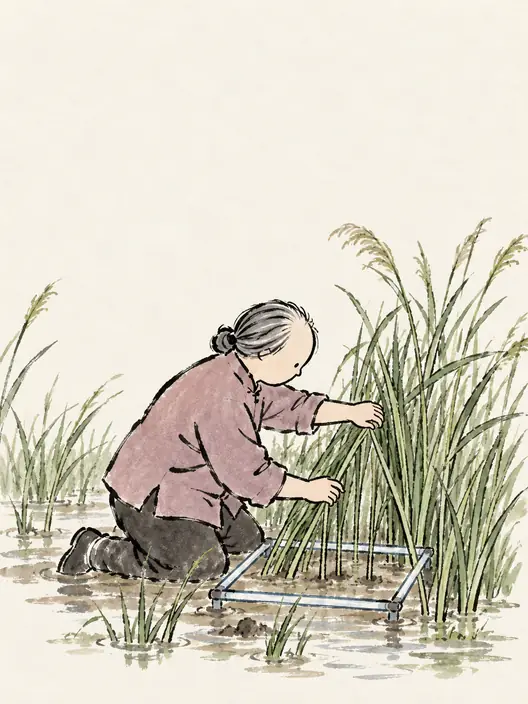
HSK 8The Reed Inventory
A lake surveyor finds invasive reeds inflating quotas as a mill deal threatens village rights.
6 chapters · audio + pinyin
 HSK 8
HSK 8The Climate Atlas
Updating an old climate map, a climatologist finds moved stations push a boundary into farms.
6 chapters · audio + pinyin
 HSK 8
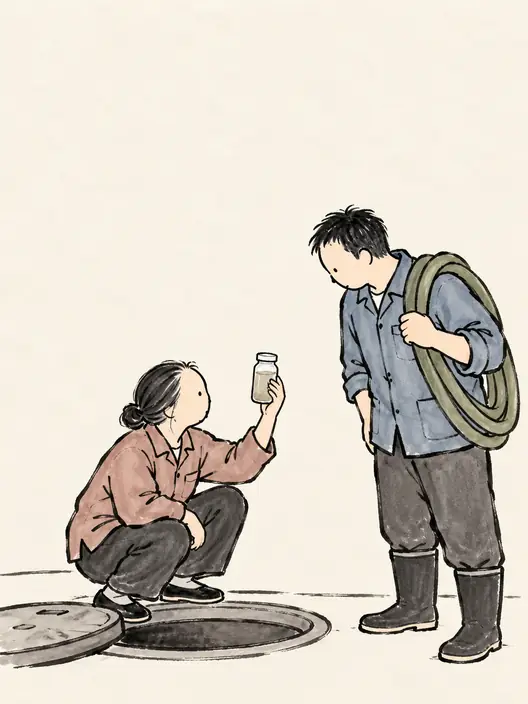
HSK 8The Aeration Tank
Monday spikes at the plant trace to a noodle factory, and the engineer is pushed to fake data.
6 chapters · audio + pinyin
 HSK 8
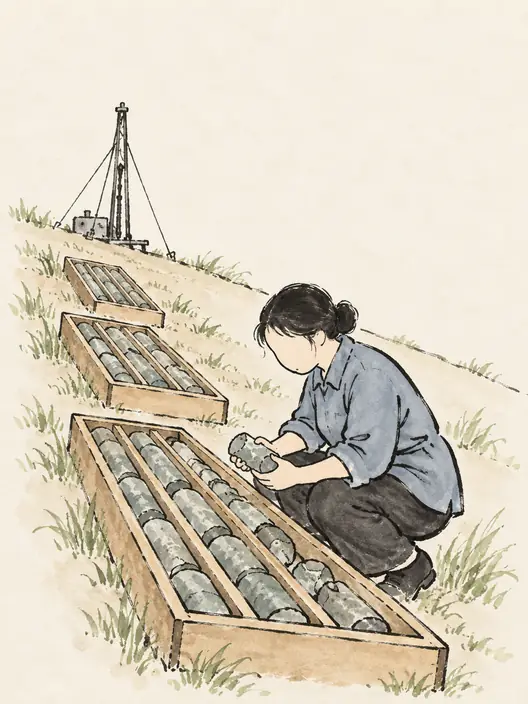
HSK 8The Core Samples
Near a valley spring, a geologist finds rare earths. The drilling turns the water cloudy.
6 chapters · audio + pinyin
 HSK 8
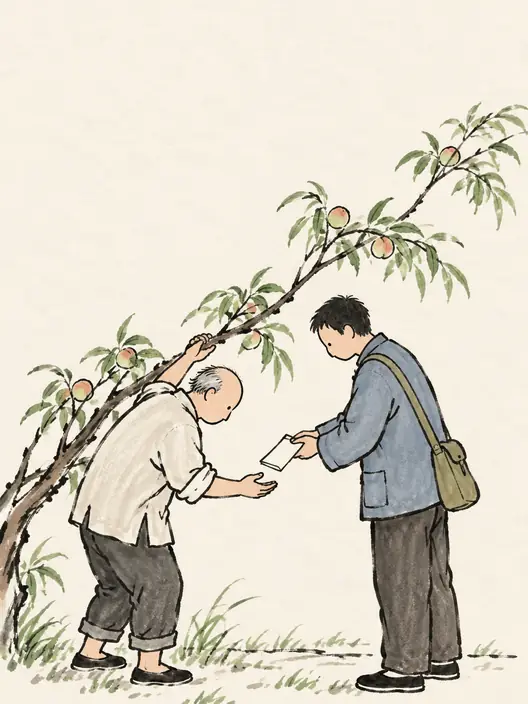
HSK 8The Returning Fields
The village's peach boom breaks grain rules, an officer finds, though officials once pushed it.
6 chapters · audio + pinyin
 HSK 8
HSK 8The Price Index
A price surveyor loses a grain shop. Then merchants who distrust her index stop giving prices.
6 chapters · audio + pinyin
Study tips
- Map advanced domain gapsUse the topic map to identify domain gaps such as law, public policy, media, academic research, technology, medicine, culture, and environmental issues.
- Treat tasks as discourse targetsAdvanced-band tasks point toward analysis, formal drafting, translation, research, structured argument, professional communication, and academic exchange.
- Move by text complexityProgress from HSK 7 stories to HSK 8 and HSK 9 stories by text complexity, density, and register rather than by separate topic/task/grammar scope.
Related syllabus resources
- Free HSK 7-9 Anki deck
Study the 5,562 advanced additions with audio and graded story examples.
- HSK 7-8-9 levels and practice
Understand the shared exam results, CEFR estimates, and reading practice at each advanced level.
- HSK 7 vocabulary
Browse the 5,562 advanced additions beyond HSK 6 in HSKStory's normalized index.
- HSK 7 stories
Start working with advanced professional and academic Chinese in context.
- HSK 8 reading practice
Move into denser arguments, cultural context, and implied meaning.
- HSK 9 reading practice
Practice literary and analytical reading at the highest HSK level.
Frequently Asked Questions
Why are HSK 7, 8, and 9 grouped together?
The official HSK 3.0 syllabus gives HSK 7, HSK 8, and HSK 9 one shared topic, task, and grammar band rather than separate lists.
Why does the page show both 11,000 and 10,896?
The official syllabus contains 11,000 cumulative entries through the advanced band. HSKStory consolidates repeated written forms in its normalized vocabulary index, which contains 10,896 distinct items.
Is HSK 7 a separate exam?
No. Chinese Testing International currently offers HSK 7-9 as one center-based internet test covering listening, reading, writing, translation, and speaking. The result is reported as Below HSK 7, HSK 7, HSK 8, or HSK 9.
How should advanced learners use this page?
Start with a topic you do not know well, use the task section to identify the performance expected, and review the grammar patterns in context. The linked vocabulary and reading pages provide practice across HSK 7, HSK 8, and HSK 9.
Is there an official HSK 7–9 syllabus PDF?
Yes. The official HSK 3.0 examination syllabus PDF covers vocabulary, characters, topics, tasks and grammar for all levels. The lists on this page come from that source. Official syllabus PDF