Chinese Text Analyzer
Paste any Chinese text. Use the HSK level checker for every word. Instant color-coded results.
Results show the overall HSK level, how many words sit at each level, and which words are above your current level — so you can judge if a text matches your reading ability.
How the level is worked out
The text's level is the lowest HSK level covering 80% of unique words recognized in the HSK 3.0 lists. Repeats count once; words outside the lists are excluded.
- HSK 1
- HSK 2
- HSK 3
- HSK 4
- HSK 5
- HSK 6
- HSK 7–9
Example
我们周末一起去参观博物馆吧。
Let's visit the museum together this weekend. Mostly HSK 1–3, with HSK 4–5 words.
Read real Chinese, at your level
Every one has word-level pinyin, narrated audio and tap-to-define.
- HSK 1
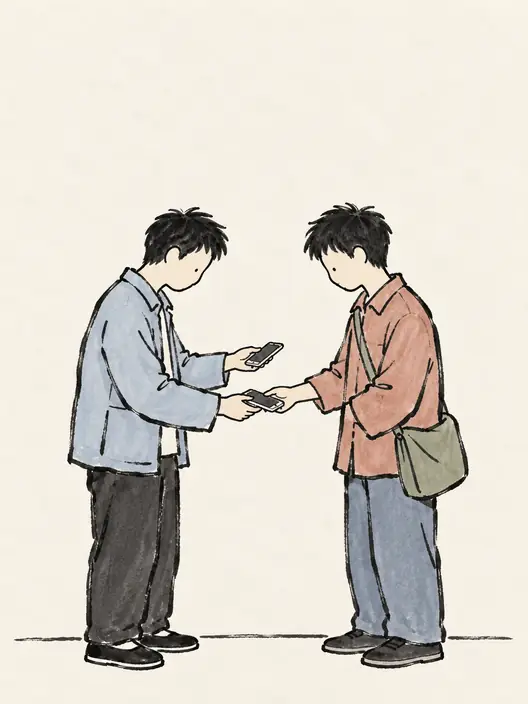
The Wrong Phone
Two classmates take identical phones by mistake and can’t unlock them or answer calls.
3 chapters · audio + pinyin
- HSK 2
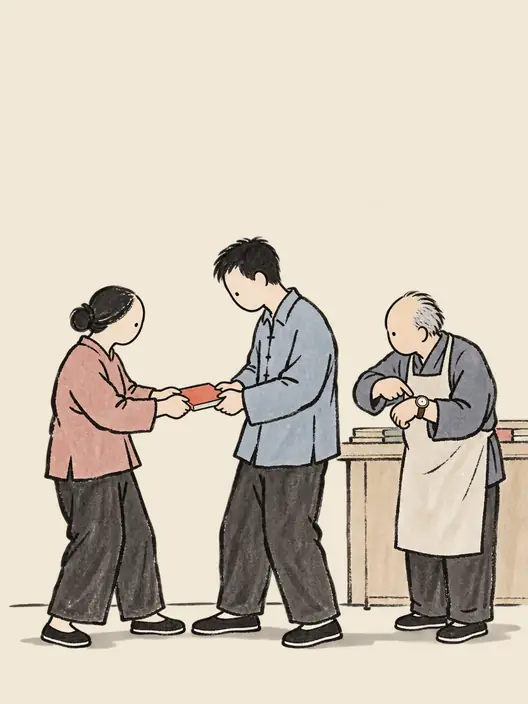
The Book We Both Wanted
Two customers claim one childhood book; a shopkeeper gives them until six to explain why.
4 chapters · audio + pinyin
- HSK 3
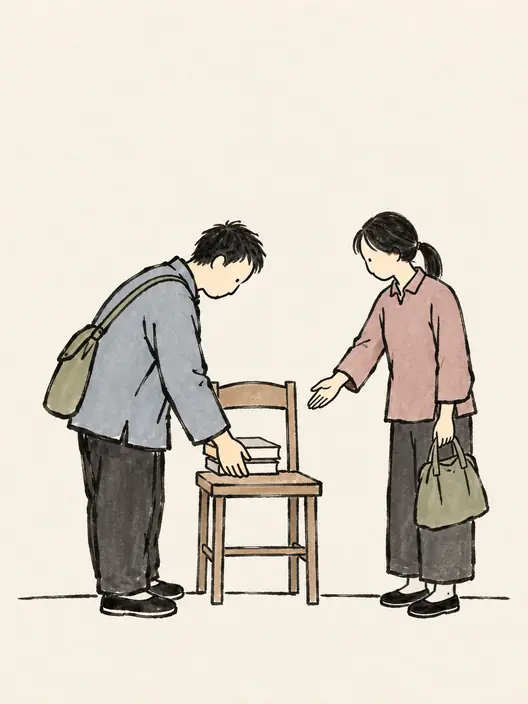
No Seat in the Library
She resents a classmate who keeps saving an empty seat. Then she hears about his sick roommate.
6 chapters · audio + pinyin
- HSK 4

Sunrise on Huangshan
Four friends go to see the Huangshan sunrise and get train delays, a storm, and a bad booking.
6 chapters · audio + pinyin
- HSK 5
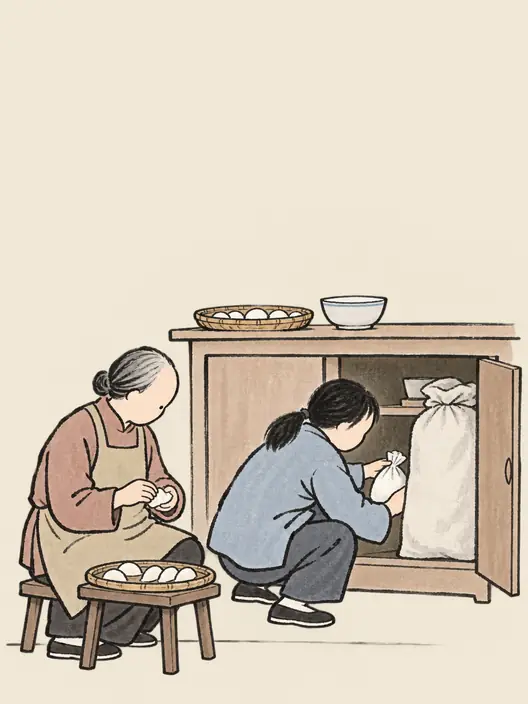
Dumplings or Tangyuan
Her first winter solstice as a wife, and her mother-in-law has hidden the tangyuan flour.
6 chapters · audio + pinyin
- HSK 6
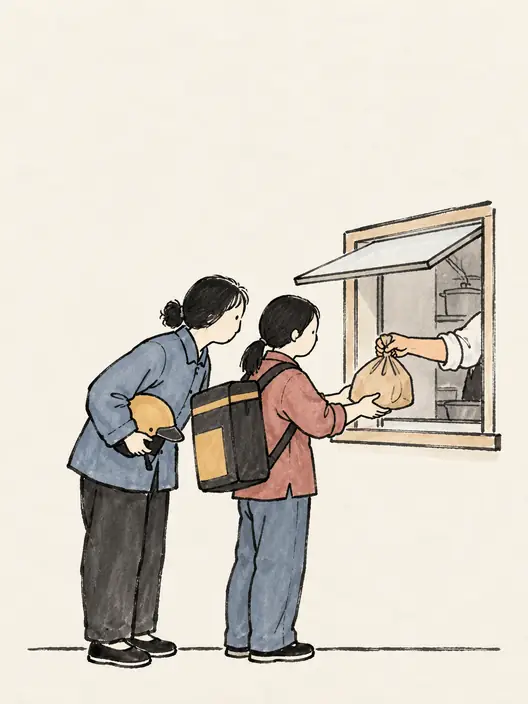
The Kitchen Behind the App
Illness complaints lead an inspector to twelve delivery restaurants sharing four kitchens.
6 chapters · audio + pinyin
What HSK level is my Chinese text?
The HSKStory HSK Text Analyzer is a free Chinese text difficulty checker. Paste any Chinese text above and it maps every word against the HSK 3.0 standard — 10,896 words across 9 levels — then reports the text's overall HSK level, how many words sit at each level, and the specific words above your level. No signup, and the analysis runs entirely in your browser.
Understanding the difficulty of Chinese text is essential for effective language learning. Reading material that is too easy provides no challenge; material that is too hard leads to frustration and guessing.
How text difficulty is measured
Research on extensive reading (Hu & Nation, 2000) found that readers need to know roughly 98% of the words in a text for comfortable, unassisted comprehension. A practical rule: if more than 5% of a text's words sit two or more levels above yours, the text will feel like decoding rather than reading.
Use the analyzer to evaluate textbook passages, news articles, song lyrics, or any Chinese text before committing time to it. If a text comes back above your level, graded readers written inside a level boundary are the reliable alternative — first find your HSK level, then pick stories at that level. Levels changed in the new standard — see what changed from HSK 2.0 to HSK 3.0.
Frequently asked questions
- How does the analyzer decide the text's HSK level?
- It looks up every word against the HSK 3.0 word lists (10,896 words across 9 levels) and reports the smallest level that covers 80% of the unique recognized words. Duplicates count once, words outside the lists are excluded from the estimate, and if no words are recognized the estimate falls back to HSK 1.
- Does my text get uploaded anywhere?
- No. The analysis runs entirely in your browser — the tool downloads the dictionary once, and your text never leaves your device.
- What happens to words that aren't in any HSK list?
- They are counted and shown separately as beyond-HSK words. Names, slang, and technical terms often fall outside the official lists, so a few unknown words don't change the level estimate.
- Does it work with traditional characters?
- The analyzer matches against simplified-character word lists, which is the script the HSK standard uses. Paste simplified Chinese for accurate results.