How it changed
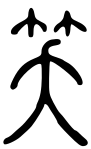
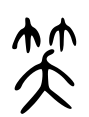
The story you’ll hear
Modern form looks like bamboo (竹) + die young (夭) — “laughing yourself to death.” But the original character was actually teeth (齒) + dog (犬): a dog baring its teeth. Scribes kept miscopying it over centuries until we got the accidental masterpiece we have today. A Tang dynasty scholar later reinterpreted it as “bamboo swaying in the wind looks like someone laughing” — and the poet Su Shi coined 竹笑 for bamboo dancing in a breeze.
What the old dictionaries say
Still debatedPlot twist: nobody knows. The oldest dictionary text reads bamboo (竹) plus dog (犬), then admits the entry was missing and never explains the dog. A Tang-era edition had 夭 instead. The editor's verdict a thousand years ago: 未知其審, "we can't tell which is right."
What it’s made of
See it in a story
Related characters
Read characters like this in real stories
Every one has word-level pinyin, narrated audio and tap-to-define.
- HSK 1
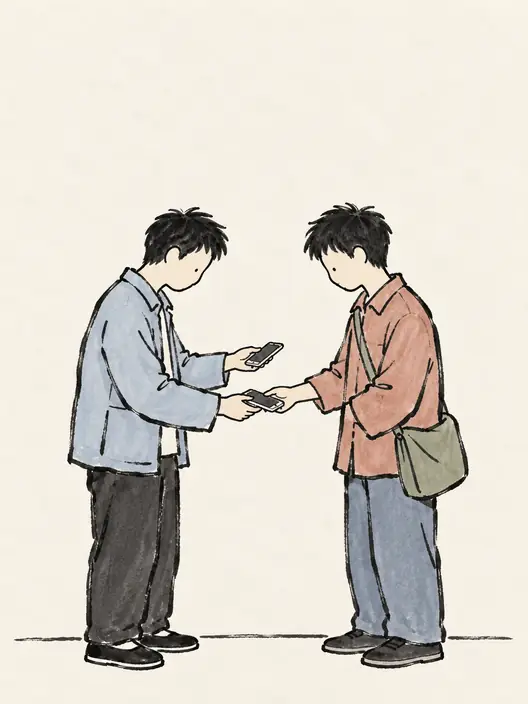
The Wrong Phone
Two classmates take identical phones by mistake and can’t unlock them or answer calls.
3 chapters · audio + pinyin
- HSK 2
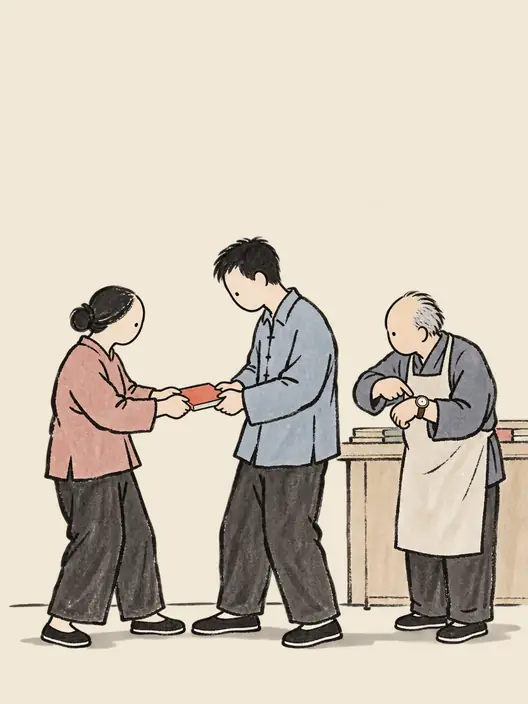
The Book We Both Wanted
Two customers claim one childhood book; a shopkeeper gives them until six to explain why.
4 chapters · audio + pinyin
- HSK 3
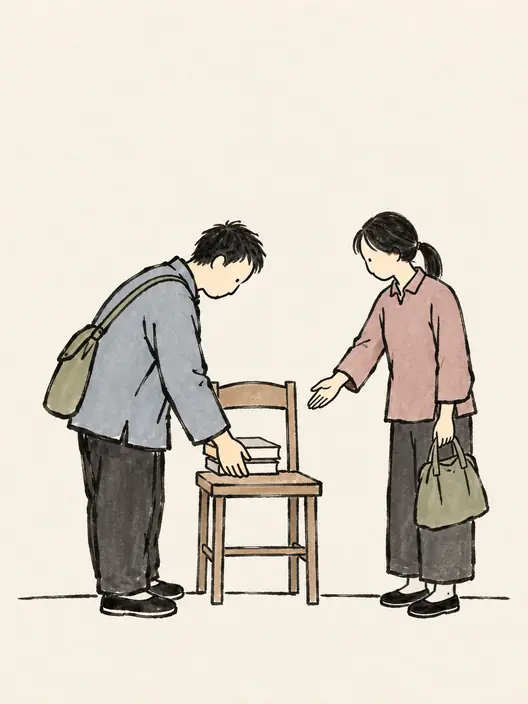
No Seat in the Library
She resents a classmate who keeps saving an empty seat. Then she hears about his sick roommate.
6 chapters · audio + pinyin
- HSK 4
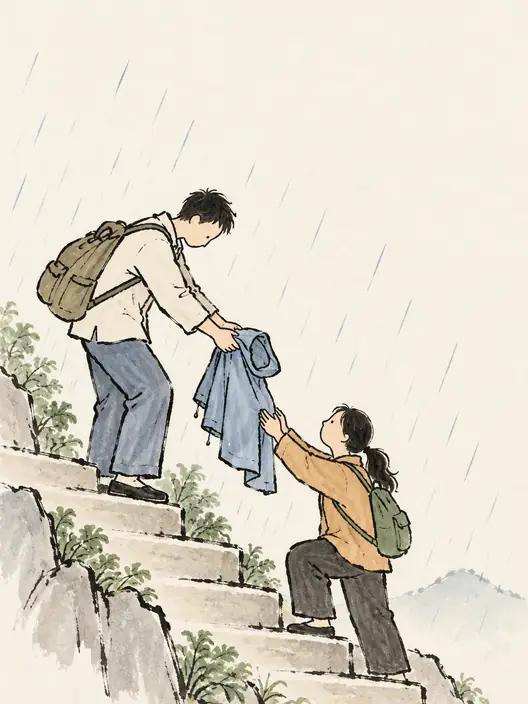
Sunrise on Huangshan
Four friends go to see the Huangshan sunrise and get train delays, a storm, and a bad booking.
6 chapters · audio + pinyin
- HSK 5
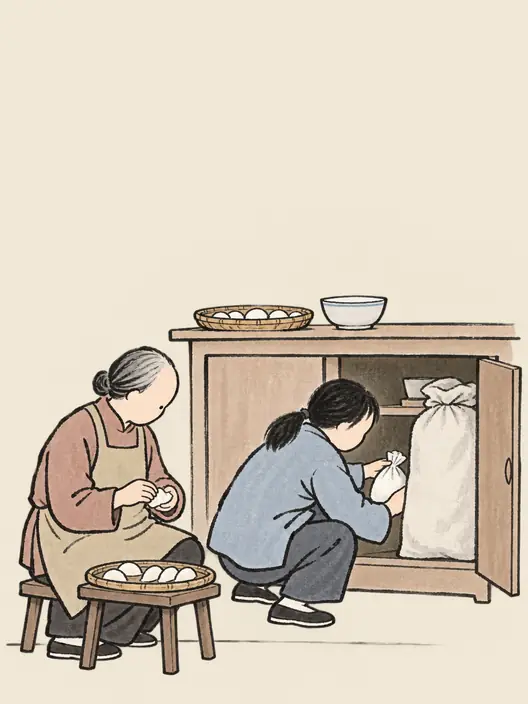
Dumplings or Tangyuan
Her first winter solstice as a wife, and her mother-in-law has hidden the tangyuan flour.
6 chapters · audio + pinyin
- HSK 6
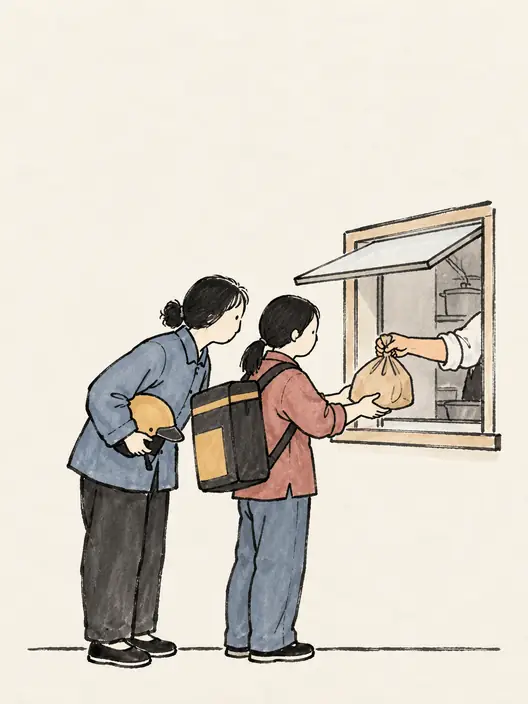
The Kitchen Behind the App
Illness complaints lead an inspector to twelve delivery restaurants sharing four kitchens.
6 chapters · audio + pinyin