小鲜肉 (xiǎo xiān ròu, 'little fresh meat') is Chinese slang for a young, good-looking male celebrity or idol: the heartthrobs of C-drama and C-pop. Fans use it affectionately; critics use it to mock idol culture.
What 小鲜肉 means
In the dictionary
A small piece of fresh meat. Something you'd buy at the butcher.
What people mean online
A young, handsome male celebrity or idol, typically under 30, with youthful looks and a large female fanbase. Think K-pop visuals but for C-drama and C-pop stars. Not an insult when fans say it (it's affectionate), but outsiders use it to mock shallow idol culture.
Character breakdown
How people use it
这部剧的男主也太鲜了吧,标准小鲜肉!
"The male lead in this drama is SO fresh. Textbook little fresh meat!"
我已经从小鲜肉变成老腊肉了。
"I've evolved from little fresh meat into old preserved meat."
光靠脸的小鲜肉,演技一塌糊涂。
"Fresh meat who rely only on looks: their acting is a total mess."
Where it comes from
The term gained traction around 2014 when Chinese social media users (primarily female fans on Weibo and Tieba) started using it to describe a new generation of young male idols: Lu Han, Wu Yifan (Kris Wu), Li Yifeng, and Yang Yang. These actors and singers shared a specific aesthetic (youthful, slim, smooth-skinned, and camera-ready) that was distinct from the 硬汉 (tough guy) archetype of older Chinese male stars.
The term is polarizing. Fans use it as a compliment: calling someone 小鲜肉 means they're young, attractive, and have star quality. But critics, especially older generations, use it to mock what they see as the 'feminization' of Chinese male celebrities and the superficiality of idol culture. In 2021, Chinese state media cracked down on 'effeminate aesthetics' (娘炮) in entertainment, and 小鲜肉 became entangled in that broader cultural debate. The counter-term 老腊肉 (old preserved meat) emerged for older male stars, a self-deprecating joke embraced by actors in their 40s+.
Common questions
What does 小鲜肉 mean in Chinese?
小鲜肉 (xiǎo xiān ròu) literally means 'little fresh meat.' In Chinese slang, it refers to young, handsome male celebrities and idols, typically under 30, with a youthful appearance and large female fanbase. It's the Chinese equivalent of calling someone a heartthrob.
Is 小鲜肉 a compliment or an insult?
Both, depending on who says it. Fans use it affectionately to praise their favorite young idols. Critics and older generations use it mockingly to imply the person is all looks and no substance. The tone matters more than the word itself.
What does 老腊肉 mean?
老腊肉 (lǎo là ròu, 'old preserved/cured meat') is the humorous counter-term to 小鲜肉. Older male actors use it as self-deprecating humor: 'I used to be fresh meat, now I'm cured meat.' It's always used lightheartedly.
Related slang
Now read real Chinese, at your level
Every one has word-level pinyin, narrated audio and tap-to-define.
- HSK 1

The Wrong Phone
Two classmates take identical phones by mistake and can’t unlock them or answer calls.
3 chapters · audio + pinyin
- HSK 2
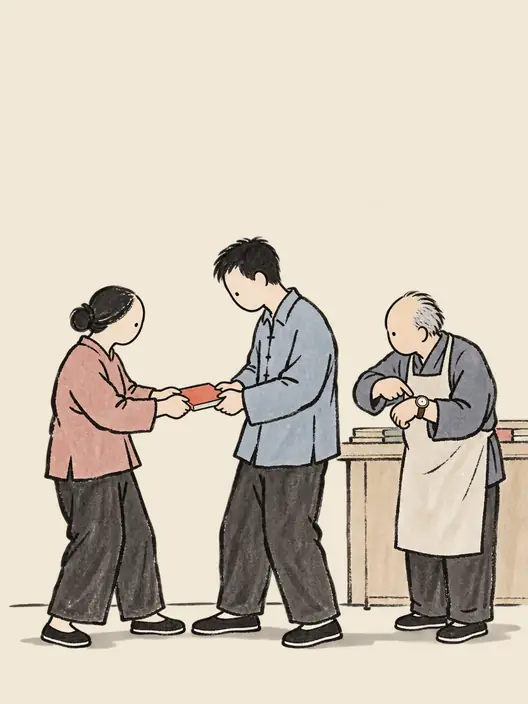
The Book We Both Wanted
Two customers claim one childhood book; a shopkeeper gives them until six to explain why.
4 chapters · audio + pinyin
- HSK 3
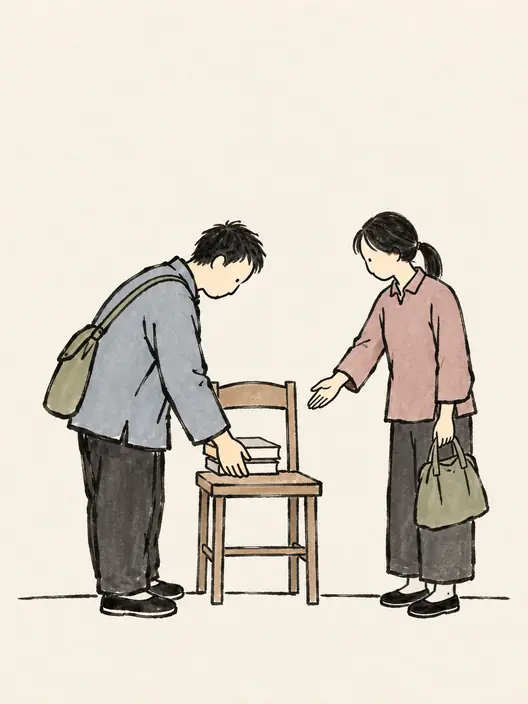
No Seat in the Library
She resents a classmate who keeps saving an empty seat. Then she hears about his sick roommate.
6 chapters · audio + pinyin
- HSK 4

Sunrise on Huangshan
Four friends go to see the Huangshan sunrise and get train delays, a storm, and a bad booking.
6 chapters · audio + pinyin
- HSK 5
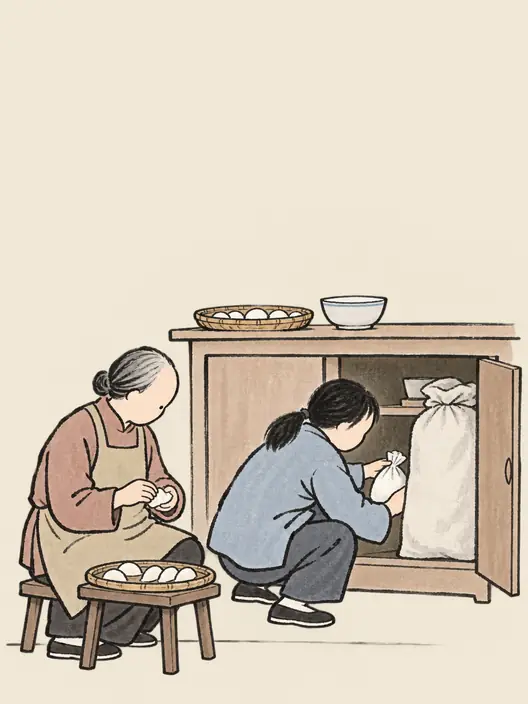
Dumplings or Tangyuan
Her first winter solstice as a wife, and her mother-in-law has hidden the tangyuan flour.
6 chapters · audio + pinyin
- HSK 6
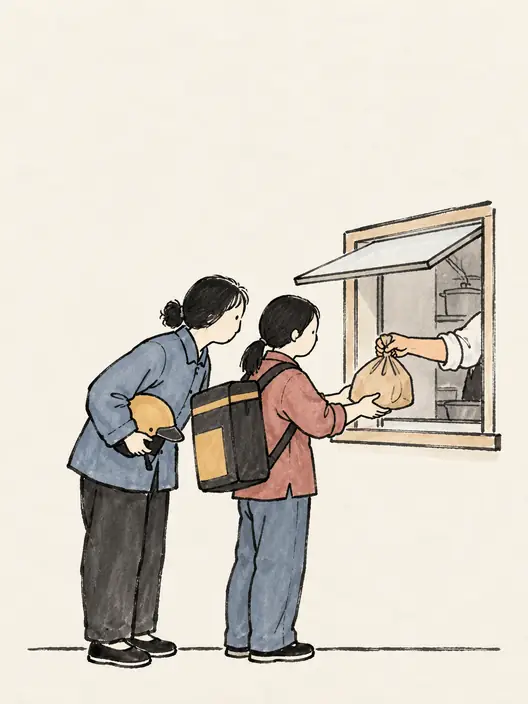
The Kitchen Behind the App
Illness complaints lead an inspector to twelve delivery restaurants sharing four kitchens.
6 chapters · audio + pinyin